Vegetable Table France
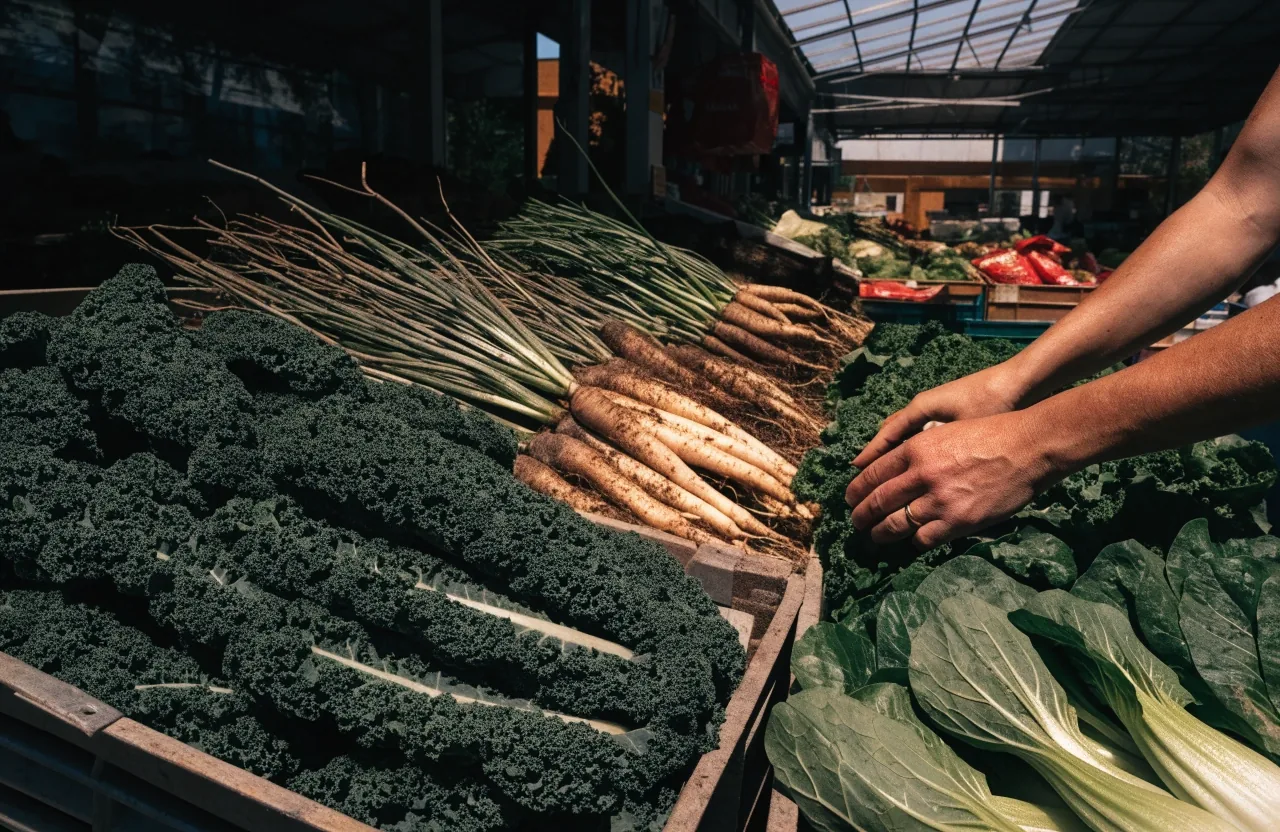
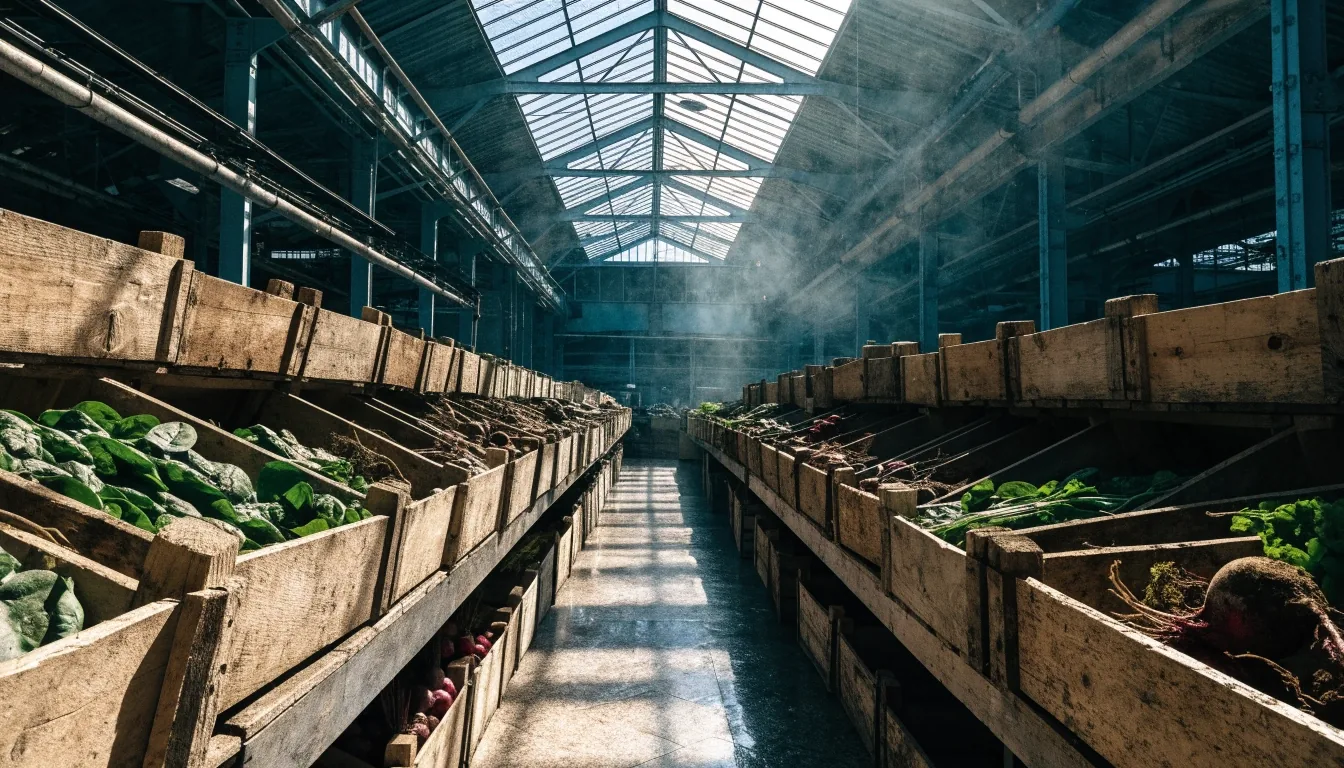
Crates of leafy green vegetables under a glass-roofed French market aisle at noon

An editorial guide · Paris · vegetables in season

Most useful vegetables for French home cooking

Carrots, spinach, cucumber, beetroot, lentils, kale and pak choi — with the seasonal calendar that decides when each one is worth buying, and the market habits that make a week of cooking easier.

Guide Vegetable Table France
Place Paris, France
Season All year
Market Bought by the kilo

What this site covers

Our focus is the everyday end of French vegetable cooking. That means légumes du marché bought by the kilo, légumes verts that wilt if you forget them, and légumes secs that sit in the pantry for months without complaint. We cover eight vegetables in depth, plus the seasonal calendar that decides when each one is worth buying.

You will find guidance on what to look for at the stall, how to store what you bring home, and which way of cooking suits each vegetable best. Nothing here assumes a professional kitchen, a large budget, or a specialist supplier. A supermarket shelf and a Saturday market stall are treated as equally useful starting points, because for most people cooking in France they are.

The site is written in English for people who shop and cook here, whether that is a full week of French home cooking or two nights a week. Where French terms matter — légumes de saison, chou frisé, Lentilles du Puy — we use them, because they are what you will read on a crate or hear at the stall.

A shallow wooden tray of leaf vegetables on a white surface in hard noon light

What you can do here

  • Check the month before you leave the house, so the shopping list follows the season rather than the other way round.
  • Read a full profile for each of the eight vegetables, with what to look for and how to store it.
  • Plan one or two market trips a week and fill the gaps from a normal supermarket aisle.

Eight vegetables, and what each one is actually for

Not every vegetable earns its place the same way. Some carry a whole week of dinners, some solve the night you cannot face the stove, and some simply keep in the fridge or the pantry until you need them. Here is how the eight we cover divide up, and where to start.

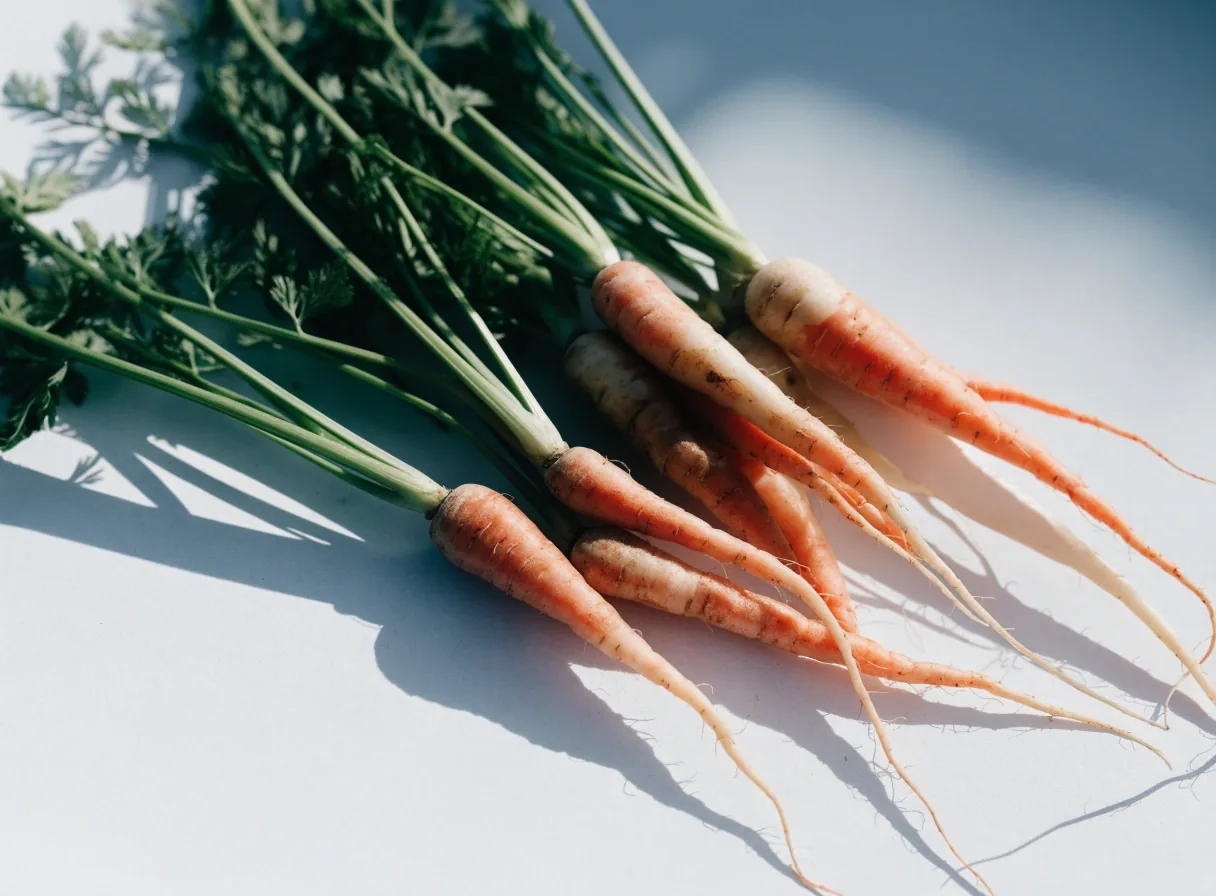
A bunch of small carrots with green tops attached on a white surface

Carrots and the base of French cooking

Carrots placed second in a 2025 French household vegetable ranking, and that position makes sense the moment you open a recipe. They turn up in soups, stews, gratins and on raw snack plates. The classic pairing is carrot, onion and celery — the starting point for a great many French dishes — and it works because carrots bring a sweetness that holds up under long cooking.

Buy them firm with the green tops still attached if you can, or loose without wilted shoulders. A bunch of small carrots roasted whole with thyme needs almost nothing else. When you are building a weekly shop, carrots are one of the safest bets in every season.
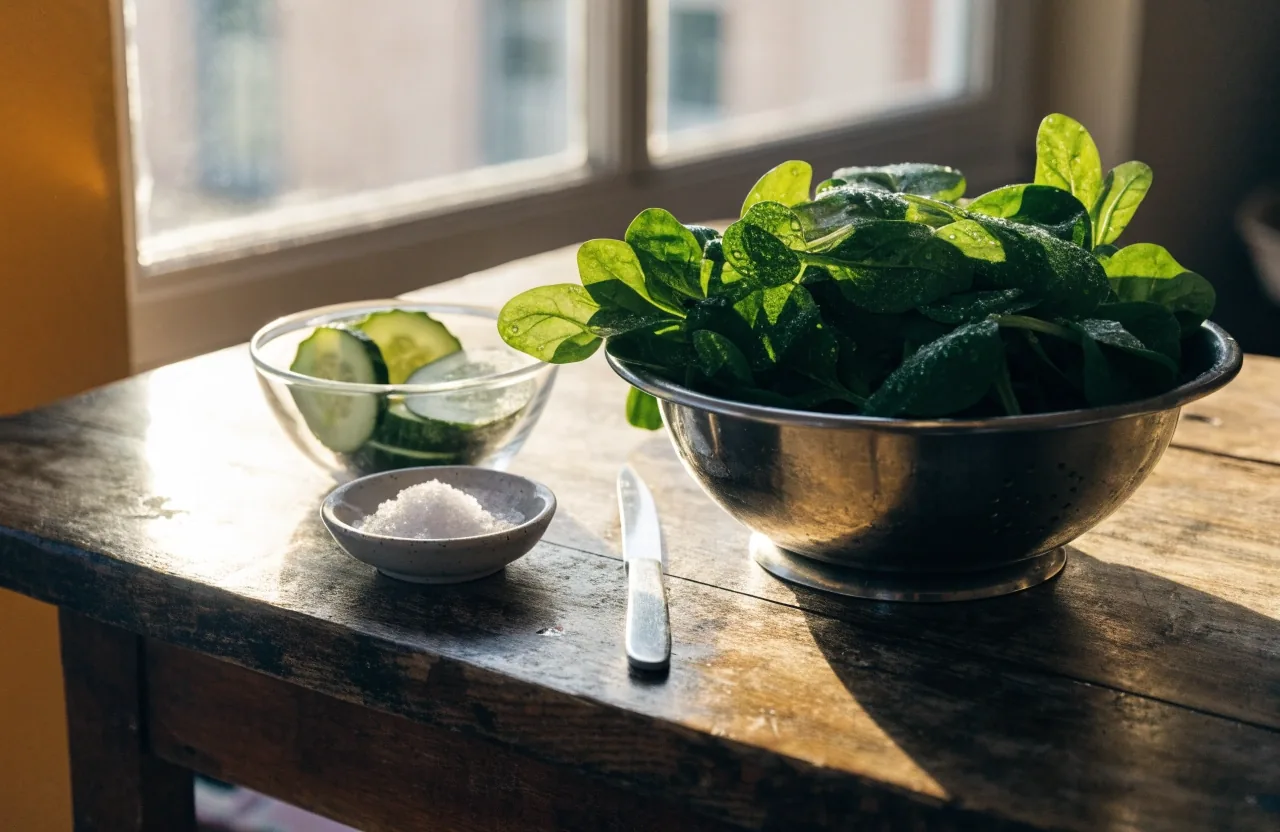
A tray of young cucumbers beside a bundle of fresh spinach on a white surface

Cucumber, spinach, and the quick-meal problem

For weeknight cooking, two vegetables do most of the lifting. Cucumber ranked fifth in the same 2025 French household ranking, and it earns that place by needing almost no work: slice it, salt it lightly, dress it, done. It belongs in crudités, chilled summer dishes and aperitif plates.

Spinach covers the other direction — quiches, sautés, purées and salads — and it is sold fresh or frozen across French retail. Between them they answer the two most common weeknight situations: no time to cook at all, and fifteen minutes to make something warm.

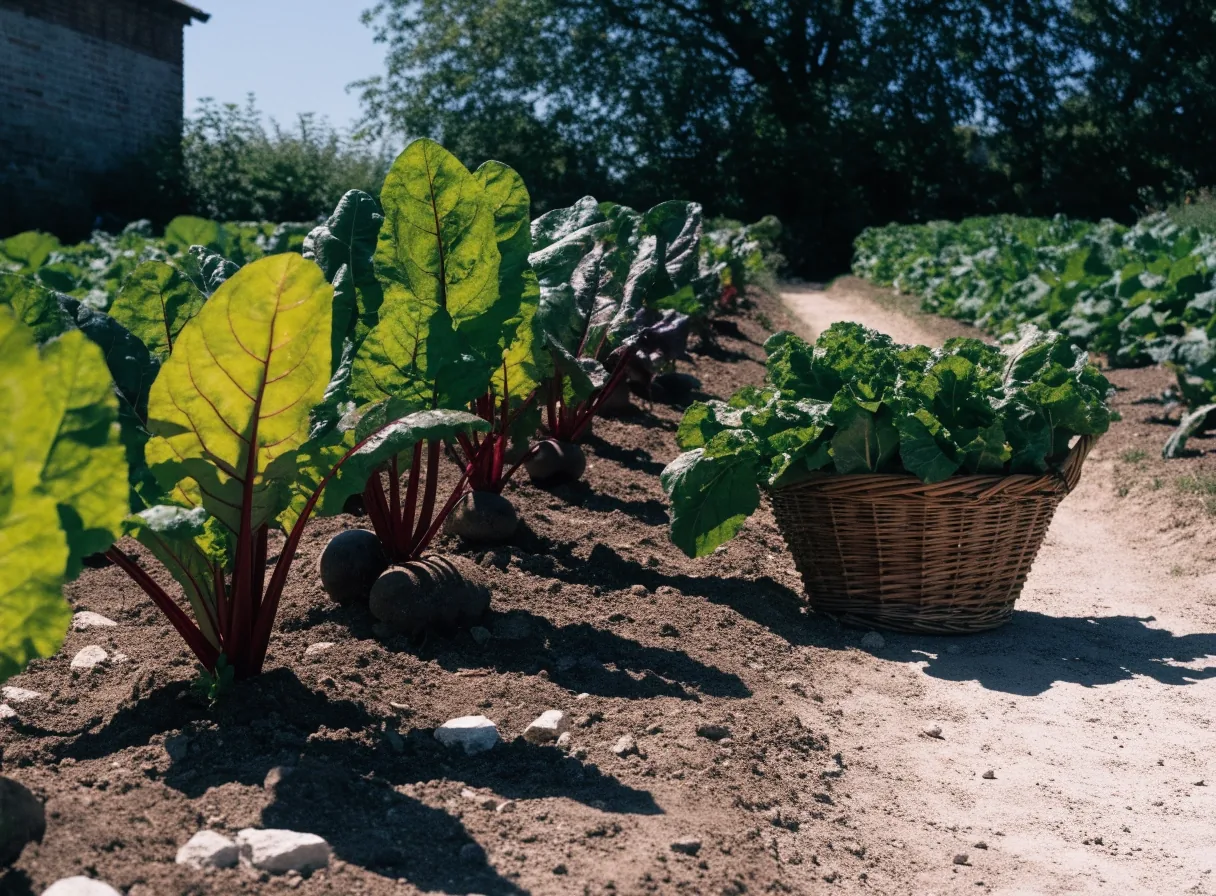
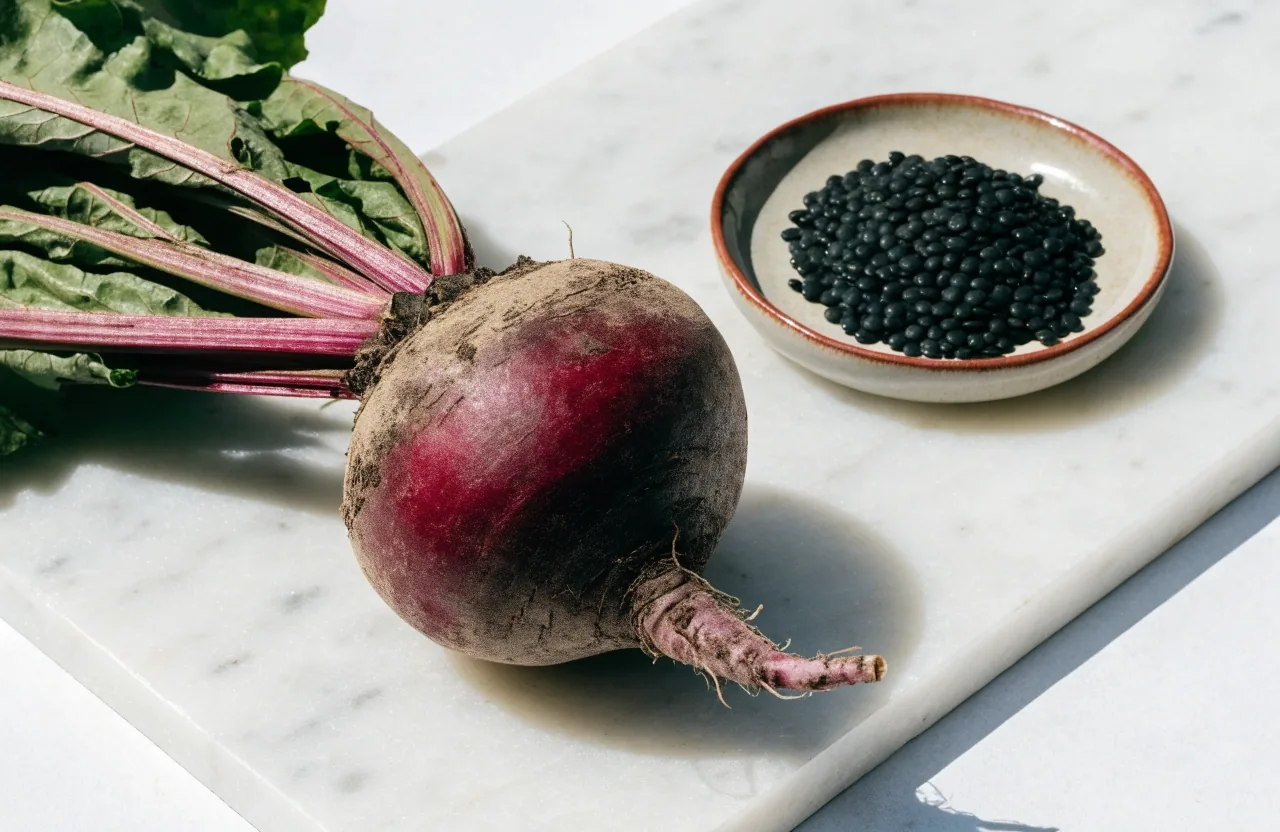
A whole beetroot with greens beside a small dish of green lentils on a white surface

Beetroot, lentils, and the pantry side

Not every useful vegetable is green and leafy. Beetroot is often sold pre-cooked in French supermarkets, which makes it a practical addition to salads and chilled plates and an easy one to keep on hand. Lentilles du Puy, the small green lentils of French cooking, hold their shape after cooking and are usually served with carrots, onions and herbs.

Both reward planning ahead. Cook lentils on a Sunday and they carry you into the week; keep cooked beetroot in the fridge and a composed salad takes five minutes.

A bunch of dark curly kale leaves beside two heads of pak choi on a white surface

Kale, pak choi, and a changing produce aisle

French produce aisles have widened. Kale appears on French green-vegetable lists as chou frisé and reads as a newer, trendier leafy green here, used in salads, sautés and oven-baked dishes. Pak choi also shows up on those lists, and it works in stir-fries, soups and quick sautés, particularly in urban kitchens where mixing cuisines is simply normal.

Neither is traditional in the old sense, and both are now ordinary purchases. If you have avoided them because they seemed unfamiliar, treat them exactly as you would spinach or a cabbage: cook them fast, season at the end, and do not let them sit in water.

Where to go next

The calendar answers what to buy now. The profiles answer how to handle each vegetable. Neither is much use without the other.

See the seasonal calendar
A market stall at noon with flats of root vegetables and leafy greens in shallow trays

Why seasonality changes the shopping list

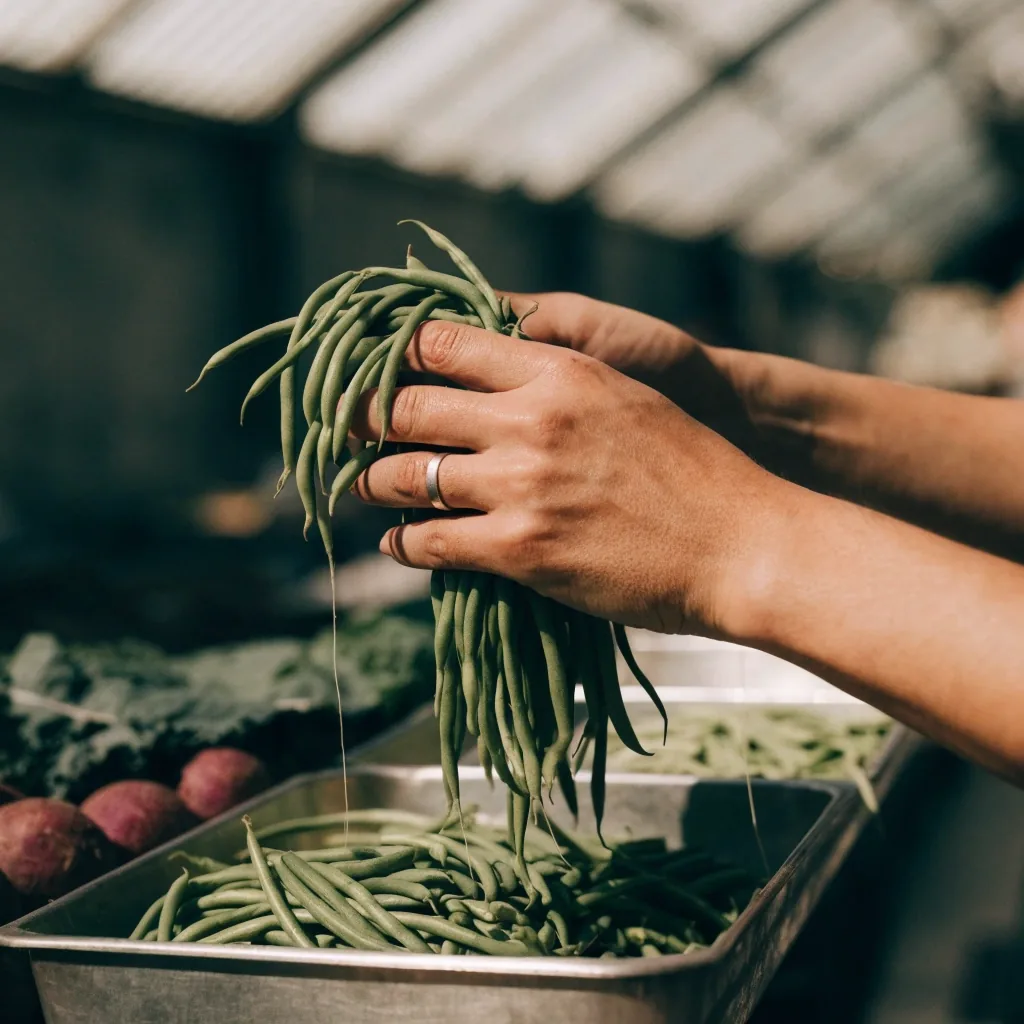
Légumes de saison is not a slogan here. It is a practical filter. A courgette in February costs more and tastes of less. Haricots verts in July need almost no work at all. Mâche handles cold weather when softer salads do not.

The calendar decides what is worth your money in any given month, and it varies by region — a market in Provence and one in Brittany will not offer the same stall at the same time. That is why the monthly page exists: so you can check before you leave the house rather than improvise in the aisle, and so a February shop does not turn into a queue of disappointing substitutes.

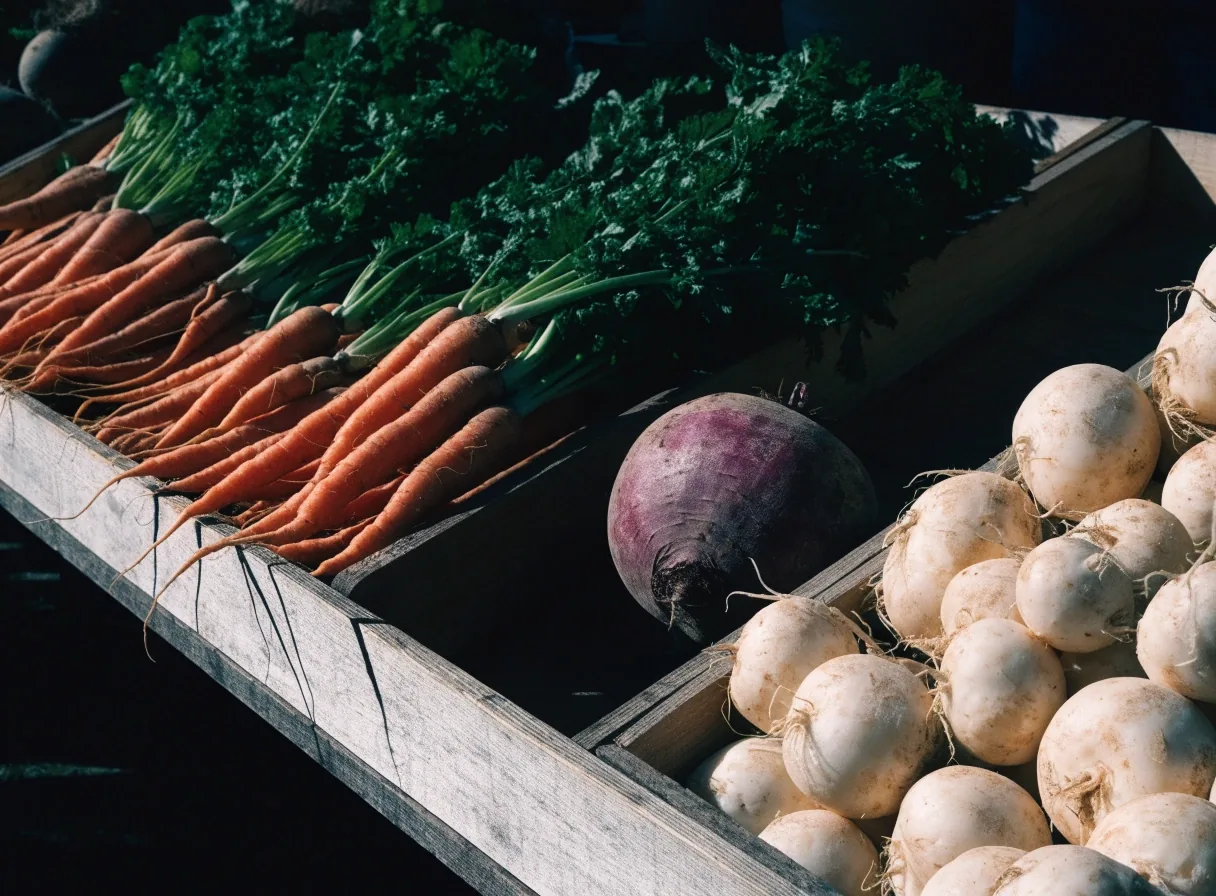
Root vegetables loose in shallow wooden crates at a French market under noon light

Market shopping without the guesswork

A French market rewards a small amount of preparation. Know what you plan to cook, bring cash, and buy what looks best rather than what was written on your list. Vendors will tell you which crate is from this week and which has been sitting — and they are usually right.

Supermarkets fill the gaps. Pre-cooked beetroot, frozen spinach and dried lentils are all perfectly good choices, and using them is not a compromise. What matters is that the fresh things are fresh and the pantry things are actually in the pantry when you reach for them.

Our market shopping guide covers what to look for on specific vegetables, how to plan a week around one or two market trips, and how to avoid carrying home more than you can cook before it turns.

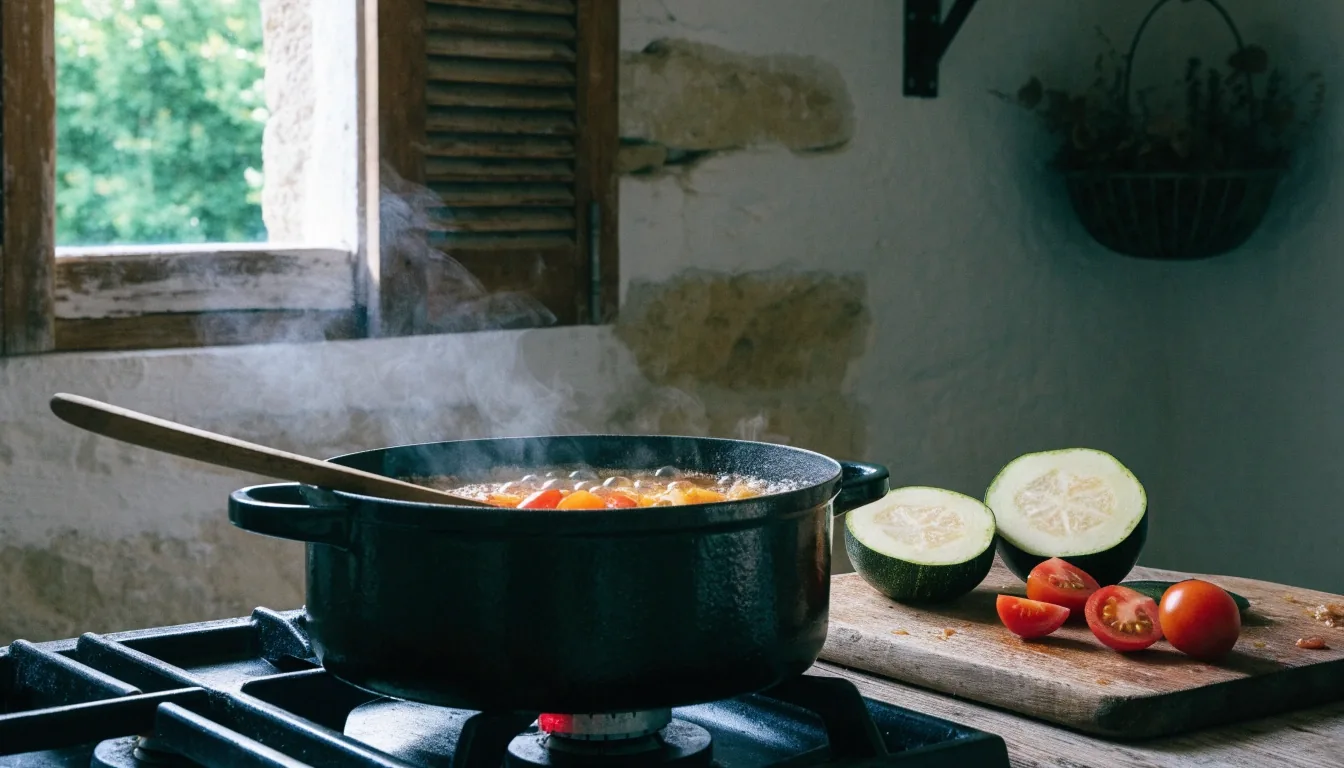
A wide shallow pan of ratatouille cooking over a gas flame in cool kitchen daylight

Ratatouille and the seasonal benchmark

Ratatouille is the best-known vegetable dish associated with France, and it is built around several vegetables at once — usually tomato, zucchini, eggplant and pepper. It is Provençal in origin, and it only tastes right when those vegetables are in season.

That makes it a useful benchmark for the whole site. If you can cook a good ratatouille, you understand how French cooking treats vegetables: it lets them cook long enough to become themselves. Our cooking page walks through the method, including the version where each vegetable cooks separately before they meet.

Start with cooking basics
Dish Ratatouille
Place Provence
Season High summer
Market Four vegetables at once

Where to start

If you are new to cooking with vegetables in France, work in this order. Each step adds one habit you keep, and none of them needs special equipment.

Start with two vegetables

Carrots and spinach are forgiving, cheap, and available almost all year. Cook them often enough that you stop measuring and start tasting, then let the rest follow.

Add cucumber

Keep one in the fridge for the days you cannot face the stove. Sliced, lightly salted and dressed, it carries an aperitif plate or a lunch on its own.

Bring in structure

Beetroot and lentils give a week its backbone: a cooked pot of lentils on Sunday, cooked beetroot in the fridge, and a composed plate available in five minutes.

Try something newer

Kale and pak choi are ordinary purchases now. Cook them the way you cook spinach, quickly and with the seasoning at the end, and they stop feeling unfamiliar.

Then ratatouille

Once summer vegetables arrive, ratatouille is the natural test of everything you have learned about buying in season and letting vegetables cook properly.

Questions we get asked

Short answers to the things readers ask most. If something here is wrong for your region, write to us and we will correct it.

Which vegetables are most useful for everyday French cooking?

Carrots and spinach cover the widest range of everyday dishes, with cucumber for raw and quick meals. Beetroot and Lentilles du Puy are useful pantry options, and kale and pak choi are now common in French produce aisles.

What vegetables are best to buy in season in France?

It depends on the month and the region. Summer favours tomato, zucchini, eggplant and pepper for ratatouille, along with haricots verts. Cooler months suit mâche, root vegetables and leafy greens. Our calendar lists what is in season month by month.

Which vegetables work well in quick weeknight meals?

Cucumber needs no cooking at all. Spinach wilts in a pan in a couple of minutes, and pak choi sautés just as fast. Pre-cooked beetroot and cooked lentils shorten a meal further because the work is already done.

What are the most common vegetables in French households?

Carrots placed second and cucumber fifth in a 2025 French household ranking, which matches what shows up in everyday cooking. Spinach is a standard green in retail and home kitchens, bought fresh or frozen.

Which vegetables are good for salads versus cooked dishes?

Cucumber, spinach and beetroot all work raw in salads, and spinach does double duty cooked. Carrots, kale, pak choi and lentils are better cooked, though carrots are also eaten raw as snacks.

What vegetables are traditional in French cooking?

Carrots, spinach and lentils have long histories in French home cooking, and ratatouille is the classic vegetable dish of Provence. Kale and pak choi are newer arrivals in French kitchens rather than traditional staples.

Pick a page and start cooking

Three routes do most of the work. Check the calendar before a market trip, read a vegetable profile when you are not sure what to look for, and open the cooking page when you want a method rather than a list.

Vegetable Table France

An editorial guide to seasonal vegetables and everyday cooking in France. Corrections and regional notes are welcome — the calendar gets better when readers tell us what their market is actually selling.

Address 18 Rue de la Verrerie, 75004 Paris
Phone +33 1 42 83 68 93
Hours Mon–Fri, 9:00–18:00
Send us a correction