Vegetable Table France
A shallow pan of mixed vegetables cooking over a gas flame in a home kitchen

Everyday French cooking

Cooking everyday vegetables the French way

Salads, quick sautés, slow gratins and ratatouille — the plain preparations French cooks return to all summer.

Kitchen Home range, Paris
Cook Weekday and weekend
Season Summer through autumn
Market state In full supply

How this page works

French vegetable cooking respects the ingredient

French vegetable cooking is less about technique than about respect for the ingredient. Vegetables are usually cooked long enough to become themselves, seasoned simply, and served without distraction. A dish is judged by whether the courgette still tastes of courgette, not by how many steps went into it.

This page covers the everyday preparations: crudités, salade composée, poêlée de légumes, gratins, and ratatouille, using the vegetables profiled elsewhere on the site. It runs in roughly the order a French cook would reach for them, from the cold plates of a hot market lunch to the slow oven dishes of a cooler evening.

Raw, cold, ready

Crudités and cold plates

Crudités are the simplest French vegetable preparation and the hardest to do badly. Cucumber, grated carrot, and sliced beetroot all work raw, and they need nothing beyond a dressing and a pinch of salt — no cooking, no pan, no timing to watch.

The trick is to drain watery vegetables before dressing them: salt cucumber slices for ten minutes, then pat them dry, or the salad will pool at the bottom of the bowl. Beetroot, especially the pre-cooked kind sold in supermarkets, is ready to slice as it comes. Serve cold plates with bread and you have a meal that required no stove.

Ten-minute rule

Salt, wait, pat dry. If the plate looks wet five minutes after dressing, the vegetables were drained too briefly — lift them out and start the salad again in a clean bowl.

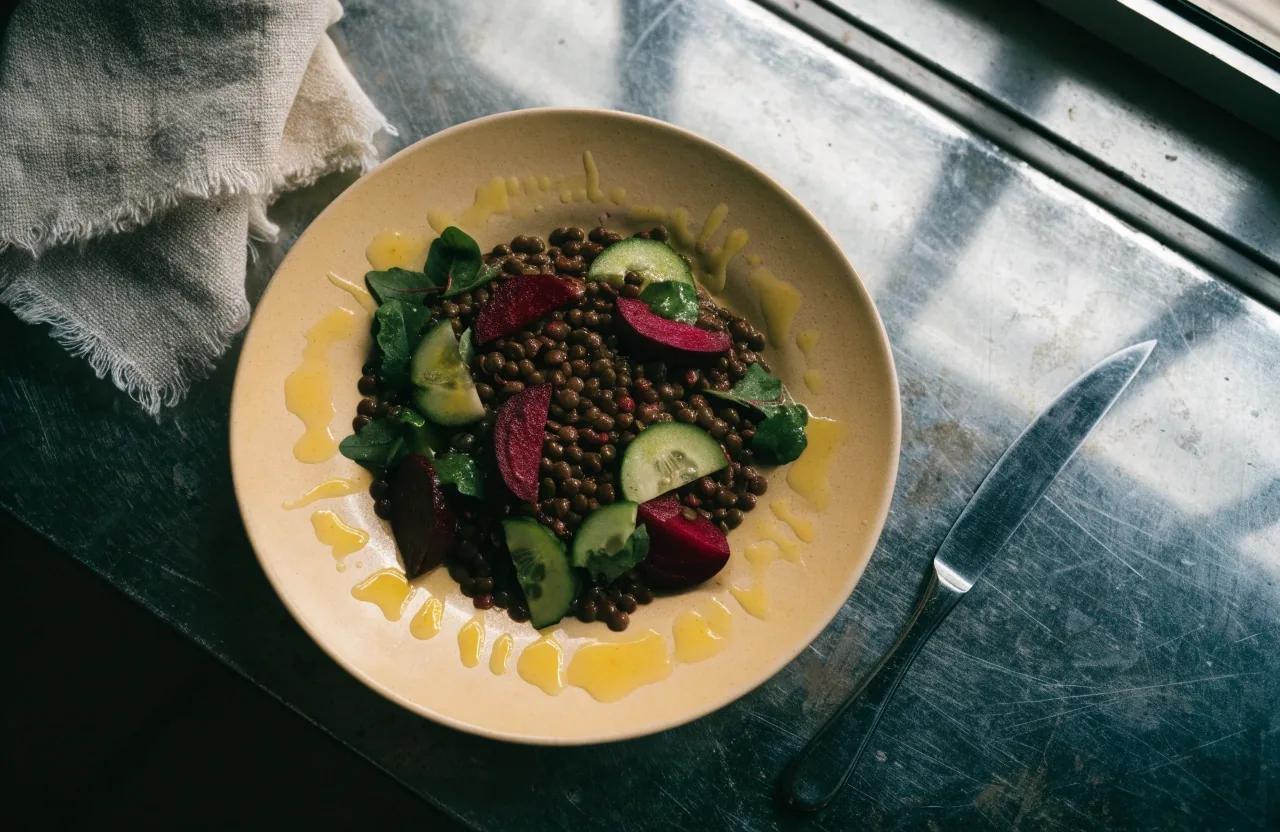
A composed summer vegetable bowl with lentils, beetroot, cucumber and greens photographed from above
Plate Salade composée
Base Lentilles du Puy
Dressing Sharp vinaigrette, at the end
Serve Cool, never tossed

Salade composée

A salade composée is built rather than tossed. Components are arranged so each one stays distinct: lentils, sliced beetroot, cucumber, and greens might all appear without being mixed together. It looks arranged because it is arranged, group by group, on a wide plate.

Lentilles du Puy are ideal here because they hold their shape and can be dressed while warm so they absorb the vinaigrette. Keep the dressing sharp and add it at the end rather than pouring it over the whole plate. If you are using kale, massage the leaves with oil and salt first, which softens them without cooking.

What goes on it

Lentils for body, sliced beetroot for sweetness, cucumber for crunch, torn greens for lift. Any one of them can be left out; the plate still works.

Order of business

Dress the lentils while they are still warm. Cool everything else. Arrange cold vegetables last so the plate does not bleed.

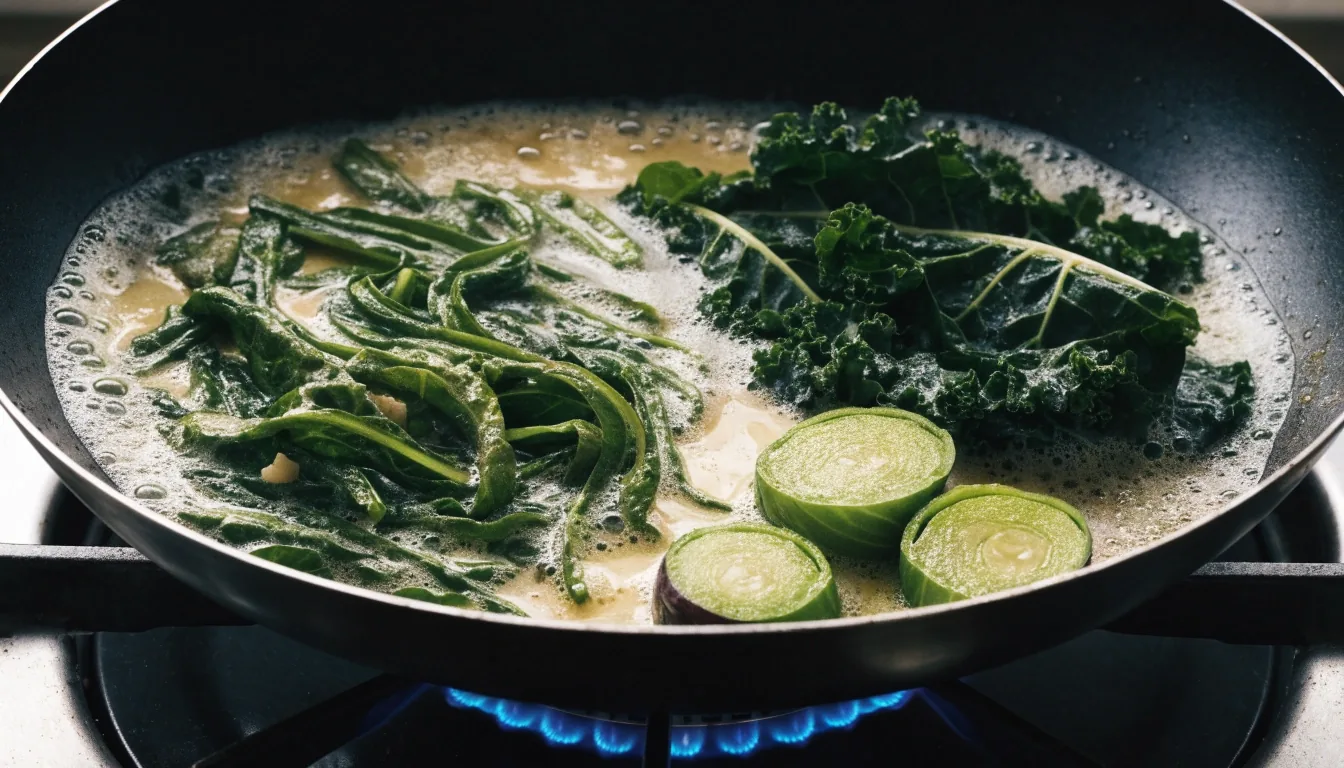
A hot pan of spinach and kale wilting with pak choi cut-side-down on a gas flame

Heat and speed

Poêlée de légumes

A poêlée is a quick pan sauté, and it suits spinach, kale, and pak choi equally well. The rule is heat and speed. Spinach wilts in about two minutes and needs nothing more than a knob of butter or oil. Kale takes a little longer and does better if you add a splash of water and cover the pan briefly. Pak choi should be seared cut-side down first, with the leaves added at the end. Season after cooking rather than during — salt draws water out while the pan is trying to brown.

  • Spinach: about two minutes in a hot pan, nothing else needed.
  • Kale: three to four minutes with a splash of water and the lid on.
  • Pak choi: sear cut-side down, add the leaves at the last moment.
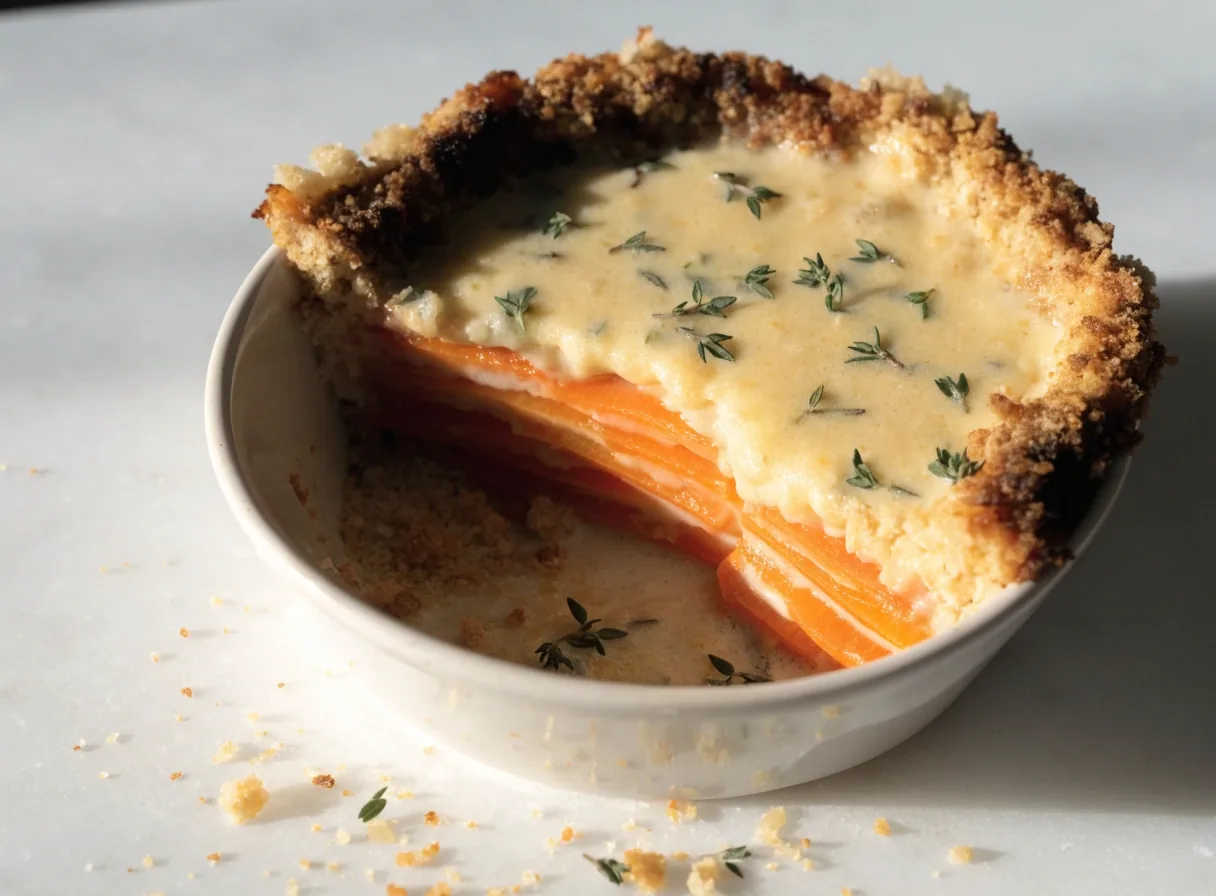
A baked dish of sliced carrots layered with cream and thyme with a breadcrumb crust

Under-seasoned is the only real failure here. Salt, pepper and a sharper cheese fix a flat gratin far more often than another ten minutes in the oven will.

Gratins

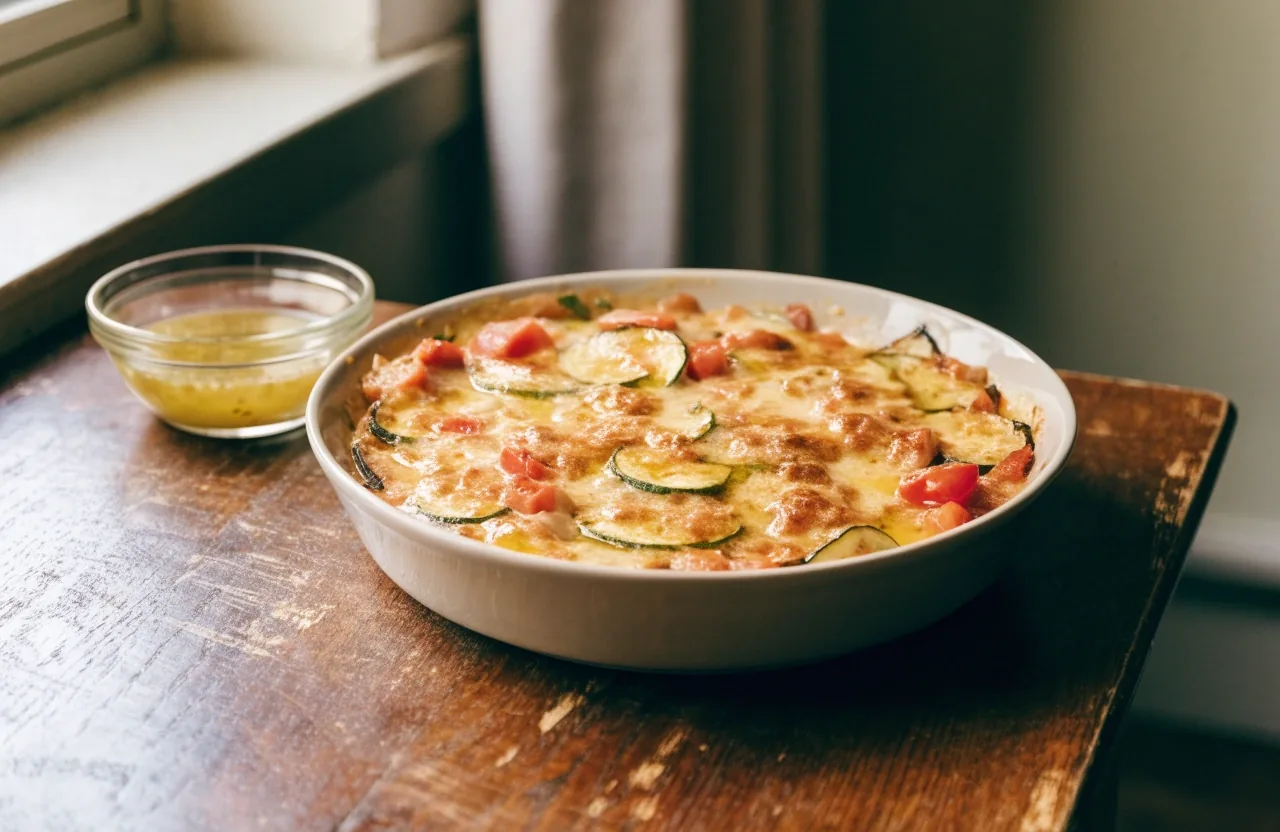
Gratins are where vegetables get their slow treatment. Spinach and carrot both work well, layered with a light béchamel or just cream and a topping of cheese or breadcrumbs. Frozen spinach is entirely appropriate here, since texture matters less once it is baked.

Carrots sliced thin and baked with cream and thyme need about forty minutes. The main mistake is under-seasoning: a gratin that tastes flat usually needs salt and a sharper cheese rather than more time in the oven. Serve warm and let it sit five minutes out of the dish so the layers hold when you cut into them.

Oven

Moderate heat, uncovered, until the top browns

Topping

Cheese or coarse breadcrumbs, never both thick

Resting

Five minutes off the heat before serving

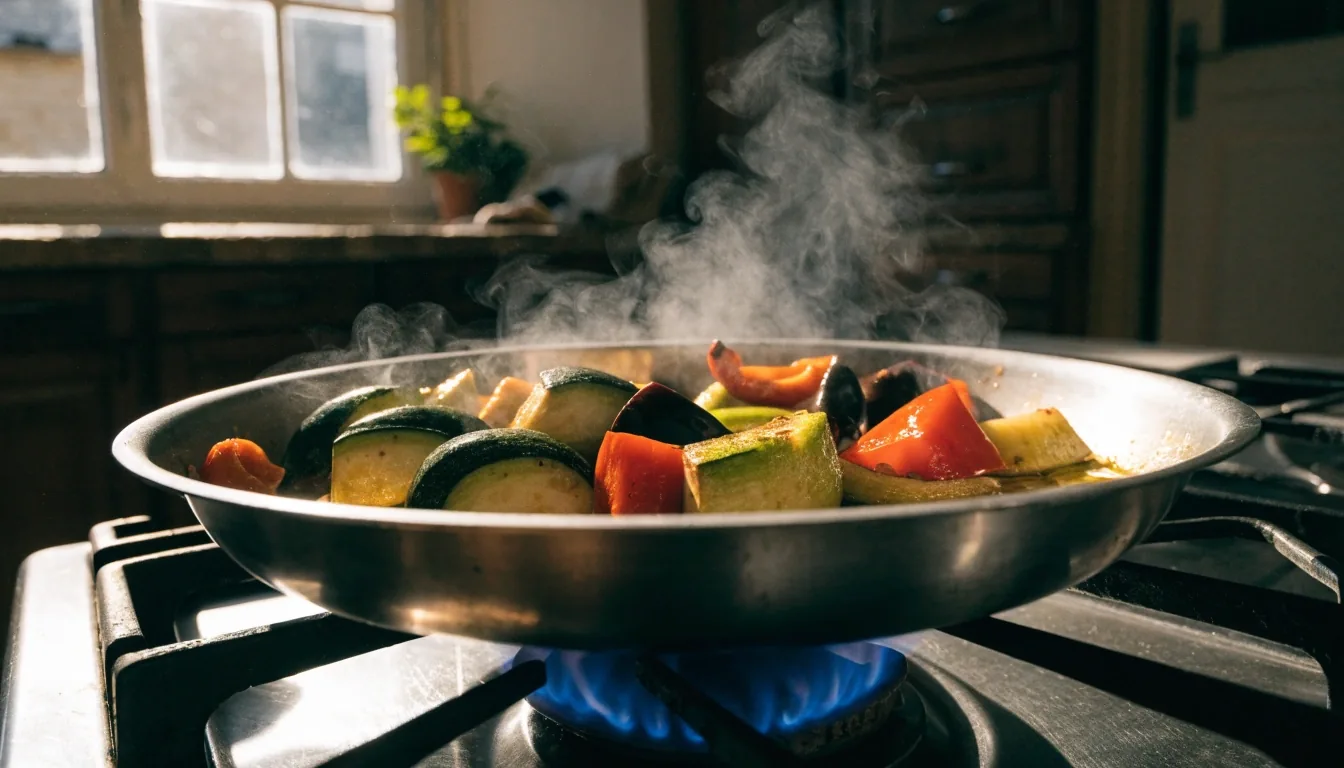
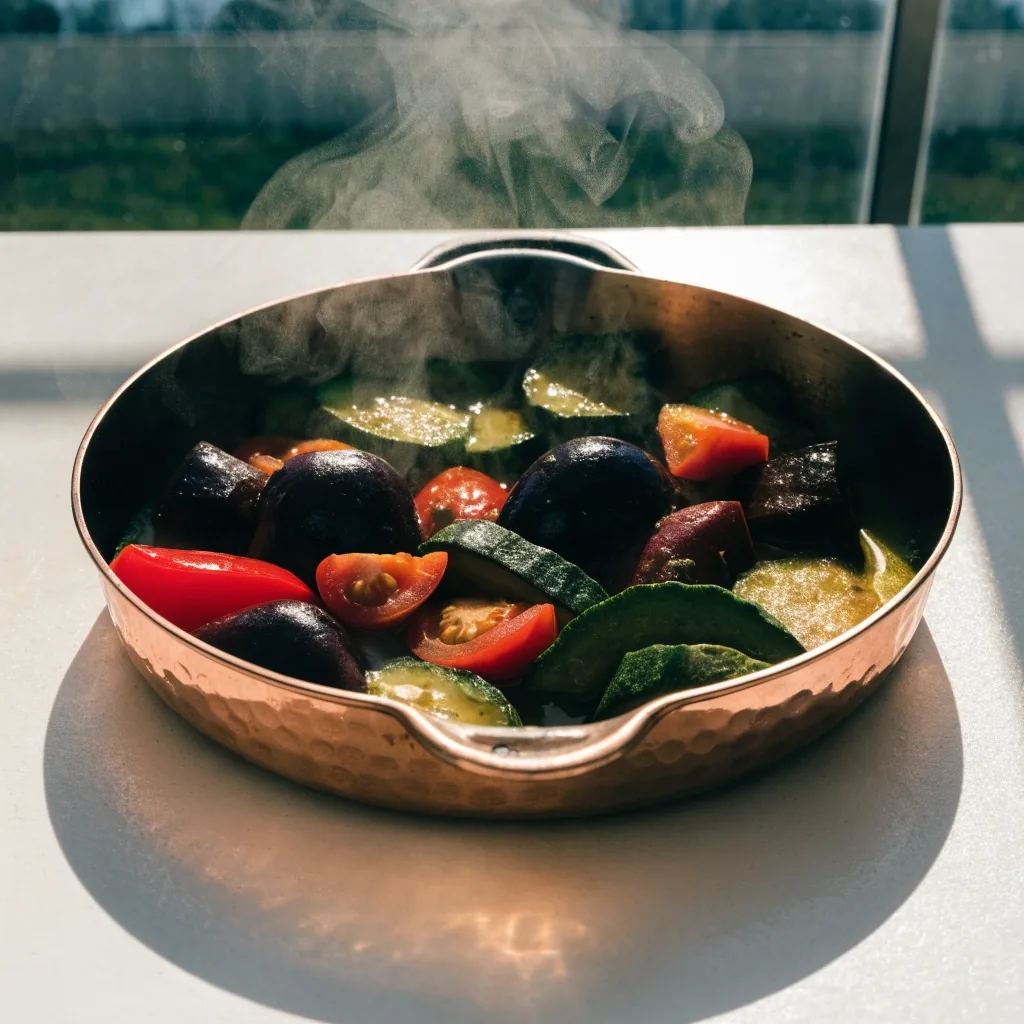
A wide pan of ratatouille with separate chunks of aubergine, courgette, pepper and tomato

Two ways, both correct

Ratatouille, slow and fast

Ratatouille is the benchmark dish of French vegetable cooking, built around tomato, zucchini, eggplant, and pepper. The slow version cooks each vegetable separately: eggplant first, then zucchini, then peppers, then tomatoes, combining everything at the end. This preserves the texture of each and takes about ninety minutes.

The fast version cooks everything together in one pot in half the time and tastes blended rather than layered. Neither is wrong, but they are different dishes. Cook ratatouille in summer, when the vegetables are worth the effort — a January courgette will not repay ninety minutes.

Read the vegetable profiles

Lentils as a base

Lentilles du Puy cook in water or stock with a bay leaf and need roughly twenty minutes. Season them at the end, since salt early can slow the cooking, and dress them while warm with oil, vinegar, and mustard. From there they go into salads, under roasted vegetables, or alongside carrots and onions as a warm dish.

They are the most useful pantry item on this site because they keep for months and need no planning. A jar in the cupboard turns a plate of leftover roasted vegetables into a meal a few minutes after you get home.

Kale, spinach, and how they differ

Both are leafy greens, but they behave differently. Spinach collapses fast and releases water, so it is best cooked hot and briefly or used raw when young. Kale holds its structure, which makes it suitable for roasting and for salads where it is dressed in advance.

If a recipe says spinach, kale will work but will need longer. If it says kale, spinach will cook down to almost nothing. Knowing which one you have is most of the decision. When in doubt, taste a leaf raw before you commit the pan.

Pick a base

Building a meal from what you have
A bowl of warm green lentils dressed with vinaigrette on a white surface

The practical approach is to pick a base, add a green, and finish with something sharp. Lentils or a gratin provide the base. Spinach, kale, pak choi, or dressed cucumber provide the green. A vinaigrette, lemon, or sharp cheese finishes it.

Carrots and beetroot work in either role. Once you have cooked through these vegetables a few times, the combinations become obvious, and the calendar decides the rest. A bowl of warm lentils under roasted carrots is a full dinner; the same lentils with cucumber and herbs is a lunch.
Add a green

Massaged kale, wilted spinach

Kale benefits from oil and salt worked in by hand before it hits the plate. Spinach wants a hot pan and no ceremony.

Finish sharp

Vinaigrette, lemon, aged cheese

Any of the three wakes up a plate that tastes flat. Choose one and let it be the loudest thing on the dish.

How long does ratatouille actually take?

The slow version, with each vegetable cooked separately, runs about ninety minutes end to end. The fast one-pot version takes close to half that. Both are worth cooking in summer, but only the slow version holds each vegetable's texture on the plate.

Can I use frozen spinach in a gratin?

Yes — once it is baked into a gratin with cream and a cheese topping, the difference between fresh and frozen spinach is very small. Squeeze the thawed spinach dry before layering, or the dish will be watery at the bottom.

Should lentils be salted before or after cooking?

After. Salt added at the start of the pot can slow the cooking and leave the lentils firmer than you want. Cook them in water or stock with a bay leaf, drain, then season while warm with oil, vinegar and mustard so the dressing soaks in.

What can I swap if the market has no pak choi?

Kale or a firm green cabbage both work in a poêlée, though both need a splash of water and a few more minutes. The cut-side-down sear is what gives pak choi its character, so if you swap it, expect a softer, more even pan rather than distinct charred faces.

Cook through the calendar

The calendar tells you what is in supply; the profiles tell you what each vegetable wants from the pan; the market guide tells you what to look for at the stall. Together they keep the shopping and the cooking in step.

A stack of white serving plates with a dish of dressed cucumber beside a linen cloth