Vegetable Table France
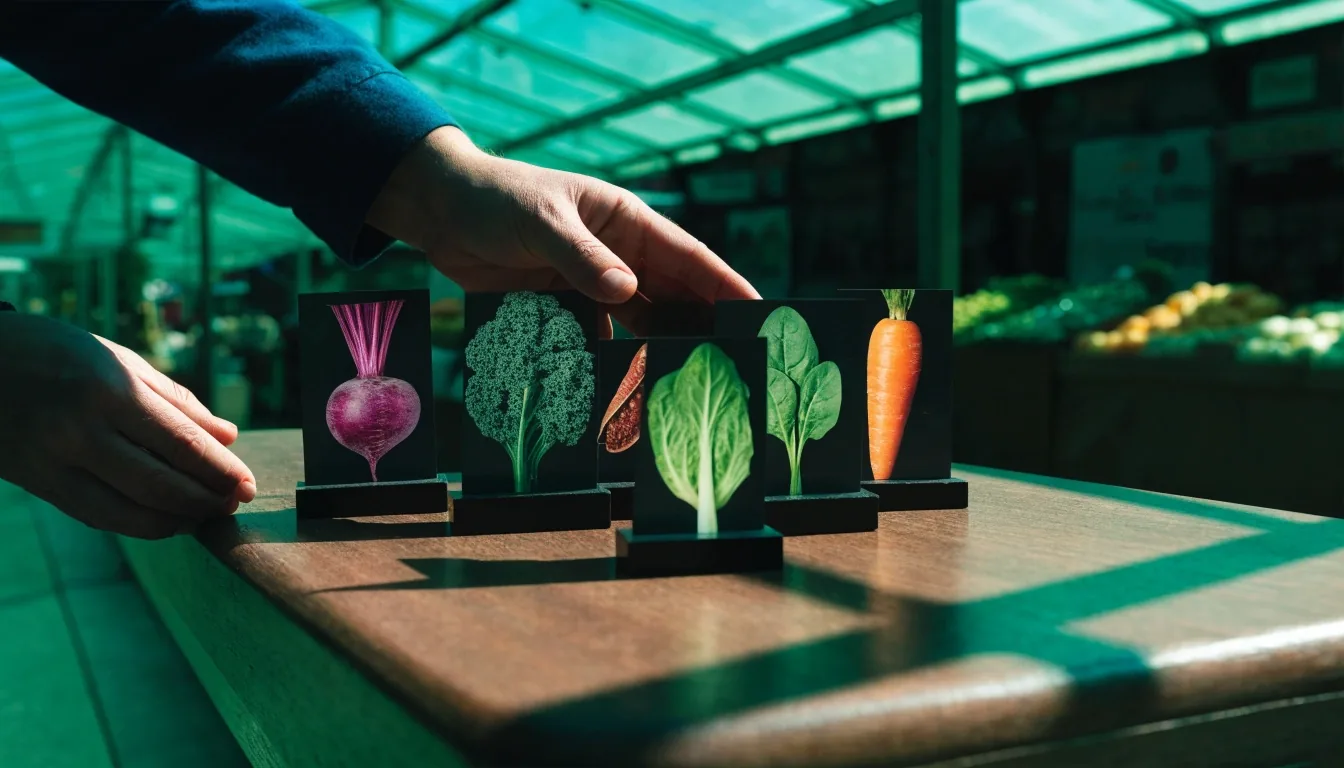
Leaf and root vegetables laid out along a glass-roofed market bench under hard noon light

Vegetable Table France

A practical guide to French vegetables

Eight vegetables that do most of the work in a French kitchen, each with buying notes, a way to cook it, and where it lands on the plate.

Feature Carrot
Bought Bunched, firm
Season Year-round
At market Cheap, constant

How each profile is put together

This page covers the vegetables that carry the most weight in French home cooking, plus a few that have joined the aisle more recently. Each profile answers the same four questions in the same order, so you can compare one vegetable against another without re-reading the layout: how it is bought, how it is prepared, how it behaves once hot, and where it fits in an ordinary week.

The selection is deliberate and short. Carrots, spinach, cucumber, beetroot and Lentilles du Puy are the everyday backbone — cheap, available, and hard to get wrong. Kale and pak choi are the newcomers, both now common in French produce aisles but honest about being newer here. Ratatouille closes the list because it ties several of these vegetables into one dish, and it is the clearest test of whether the vegetables themselves are any good.

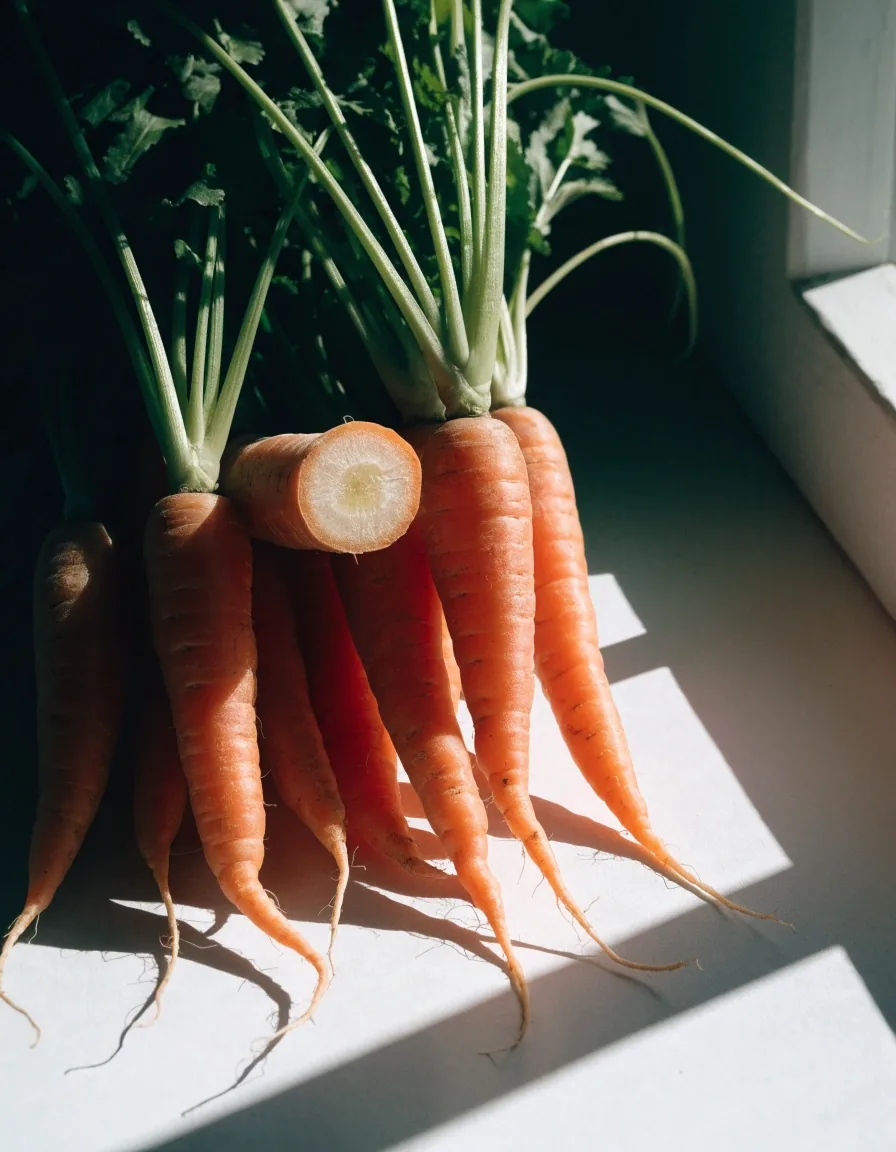
A bunch of small carrots with their green tops still attached on a white surface

Carrots

Bought Bunched, firm
Prepare Scrub, top, trim
Heat Roast whole
Plate Soup, gratin, raw

Carrots placed second in a 2025 French household ranking, and they are the easiest vegetable to recommend to anyone starting out.

Buy them firm, with the tops attached if possible, and avoid any with soft or bendy ends — a carrot that flexes in your hand has already lost its sugar. They work in soups, stews, gratins, and as raw snacks, and they pair with onion and celery as the base of a great many French dishes. Small bunched carrots roasted whole need only oil, salt, and thyme; they go into a hot oven and come out sweet at the tip and caramelised where they touched the tray. Larger ones are better grated raw, sliced into a salad, or cooked down in a pot with a little butter and a spoon of water until they give way.

Storage is simple: cut the tops off before the carrots go in the fridge, because the leaves keep drawing moisture out of the root. A paper bag in the vegetable drawer holds them for a week or more.

One caution worth repeating: carrots sold loose and washed have usually lost their tops and some of their sweetness. If you can only find those, roast them with a little more fa and a longer time rather than treating them as a fresh bunch.

Spinach

Spinach is one of the most flexible greens in a French kitchen because it works both raw and cooked. It appears in quiches, sautés, purées, and salads, and it is a standard item in French retail, sold fresh or frozen for convenience. Fresh spinach needs washing and wilts in a hot pan in about two minutes, which makes it a genuine weeknight option. Frozen spinach is better for quiche and purée, where texture matters less.

Buy fresh leaves that are dry and unblemished, and use them within a few days. Wet leaves in a sealed bag turn to slime faster than anything else in the drawer.

Bought Dry leaves, or frozen Kitchen Wash, wilt two minutes Plate Quiche, sauté, purée
Cucumber

Cucumber ranked fifth in the same 2025 French household ranking, and it earns that position through sheer ease. It is most often eaten raw, in salads or chilled summer dishes, and it needs minimal work: slice, salt briefly, drain, dress. It belongs in crudités and aperitif plates, and it holds up well in a salade composée alongside other cold items.

Buy cucumbers that feel heavy and firm. If the skin is bitter, peel it, though most varieties sold in France do not need it. Salting the slices for ten minutes and pouring off the water keeps a dressed salad from going soupy by the time it reaches the table.

Bought Heavy, firm, unbruised Kitchen Slice, salt, drain Plate Crudités, cold plates
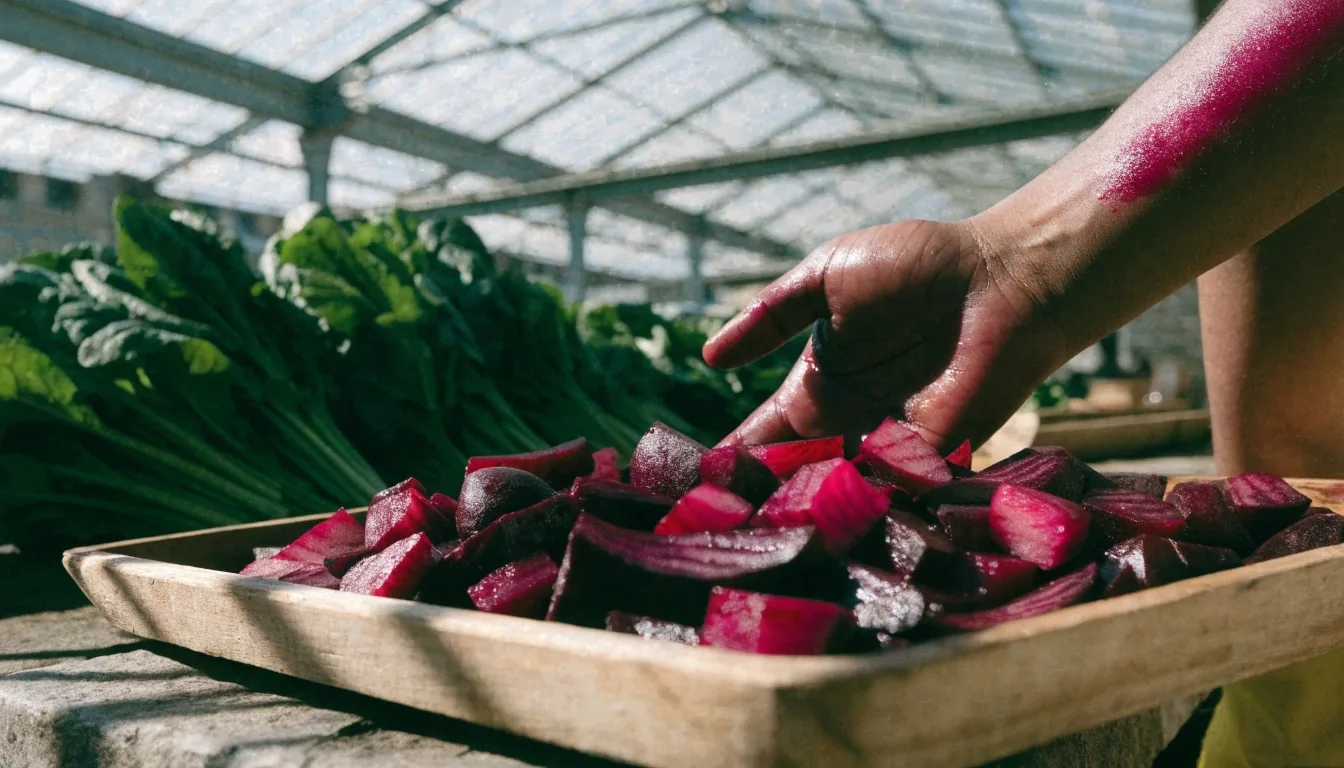
A market flat of root vegetables beside a flat of leafy greens under hard noon light

Beetroot, and the case for buying it cooked

Beetroot is commonly included in French vegetable lists and is valued for its colour and ease of use. It is often sold pre-cooked in French supermarkets, which makes it one of the few vegetables you can bring home and use immediately in a salad or chilled dish.

Fresh beetroot is roasted in foil until tender, then peeled and sliced — the skin slips off under a paper towel once it has cooled enough to handle. Either way it works with sharp dressings, walnuts, or goat cheese. If you buy it cooked, check the label for added vinegar, which changes how it dresses and can fight a wine-based dressing.

Bought Cooked, or raw
Kitchen Roast in foil, peel
Season Late summer, autumn
Plate Chilled salad

Lentilles du Puy

Lentilles du Puy are small green lentils named in French food guides as a notable legume of French cuisine. They hold their shape after cooking, which is why they are served whole rather than as a purée, usually with carrots, onions, and herbs. This is a classic French pantry ingredient, not a specialty purchase, and a bag will keep for many months in a dry cupboard.

Cook them in water or stock with a bay leaf, season at the end, and dress while warm so they absorb what you add. Salt added at the start is what makes lentils tough, so hold it back. A vinaigrette poured over warm lentils and left ten minutes does more for the dish than anything added at the table.

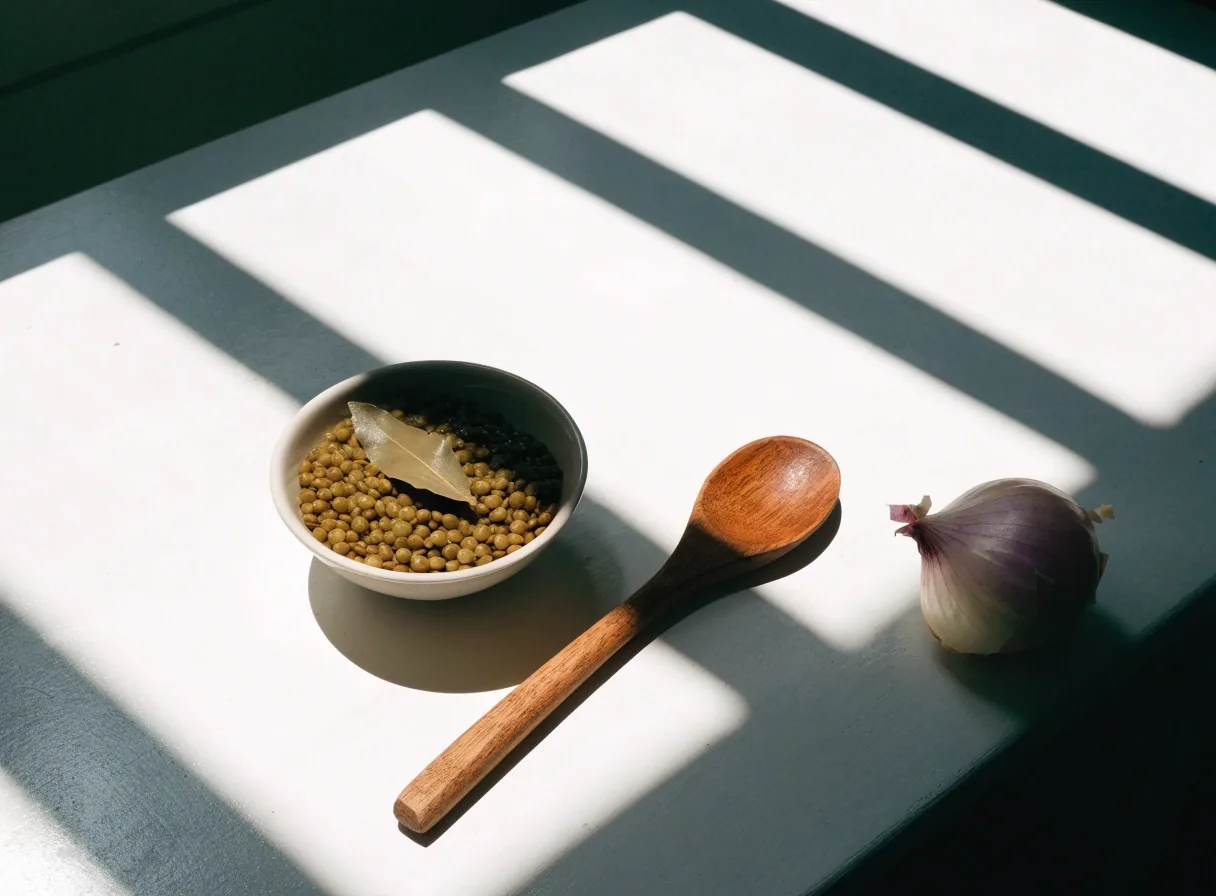
A small dish of green Puy lentils with a bay leaf, spoon and onion beside it

Kale

Kale appears in French green-vegetable lists as chou frisé. It reads as a newer, trendier leafy green in French cooking, and it is popular in English-language food writing aimed at readers in France. It is used in salads, sautés, and oven-baked dishes, and it stands up to heat better than spinach — it will not collapse into a spoonful of green water.

Strip the leaves from the tough stems before cooking, massage raw leaves with oil and salt if you are making a salad, and roast torn leaves until the edges crisp. The stems are not waste: slice them thin and start them in the pan a minute before the leaves.

Straight answer

Is kale traditional in French cooking? It appears in French green-vegetable lists as chou frisé, but it reads as a newer, trendier leafy green here. It is common in French produce aisles now, though not a traditional staple — worth knowing before you build a whole menu around it.

Pak choi

Pak choi is named in French green-vegetable lists and shows how French produce aisles now include more international greens. It appears in urban and fusion-style cooking, used in stir-fries, soups, and quick sautés. Buy heads that are firm with bright leaves and no yellowing.

Halve them lengthwise, sear cut-side down in a hot pan, then add the leaves for the last minute. The stem and the leaf cook at different speeds, which is the whole trick: searing the stem first and adding the leaves late keeps both in good shape. It cooks faster than most people expect, and it needs salt at the end rather than the beginning.

Bought Firm heads, bright leaves Kitchen Sear stem, then leaf
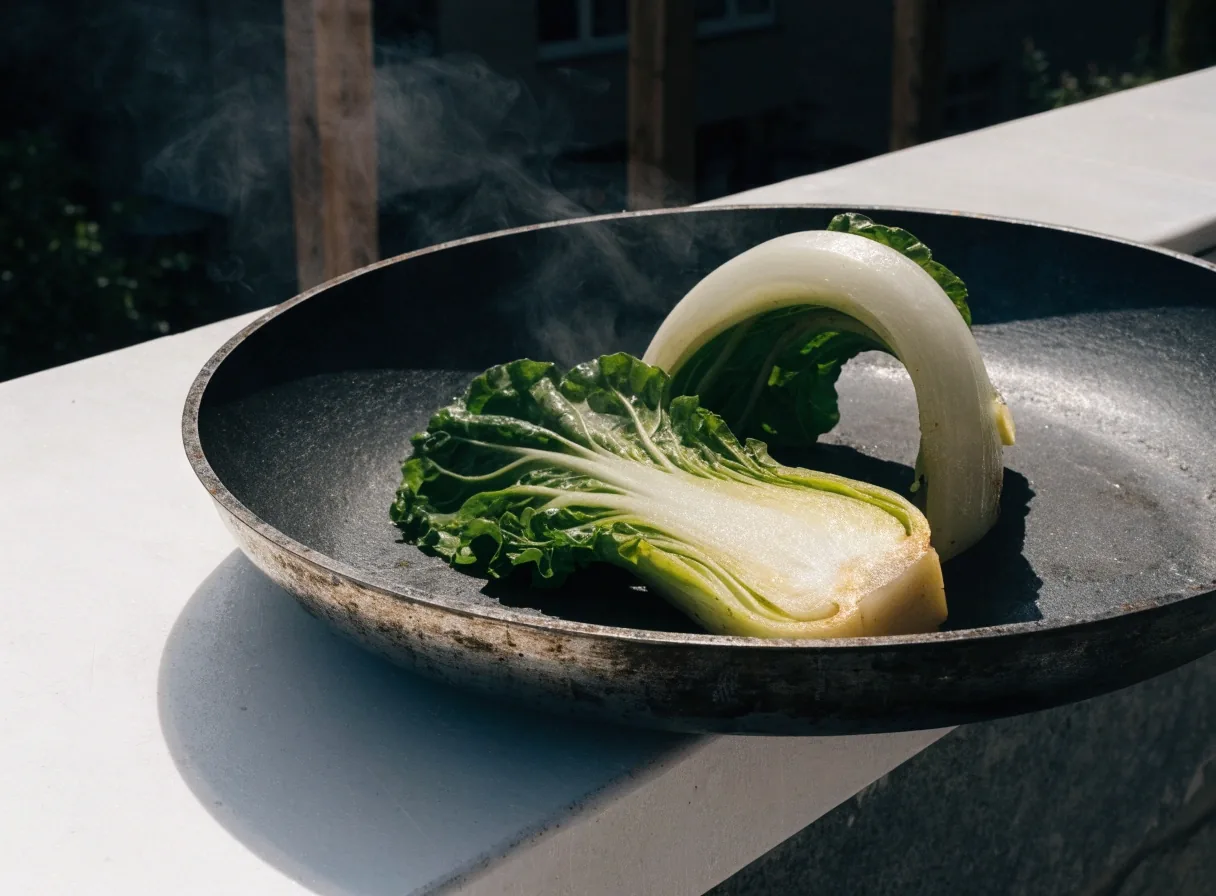
Halved pak choi seared cut-side down in a heavy pan on a white bench

Ratatouille, the closing test

Ratatouille is named in English-language France food guides as a classic vegetable dish, built around multiple vegetables — usually tomato, zucchini, eggplant, and pepper — and strongly associated with Provençal cooking. It is often used as a benchmark for seasonal vegetable eating because it only tastes right when the vegetables are.

The slow version cooks each vegetable separately before combining them, which takes longer but keeps the textures distinct. A faster version cooks everything together; both are legitimate, and the fast one is what most people actually make on a Tuesday.

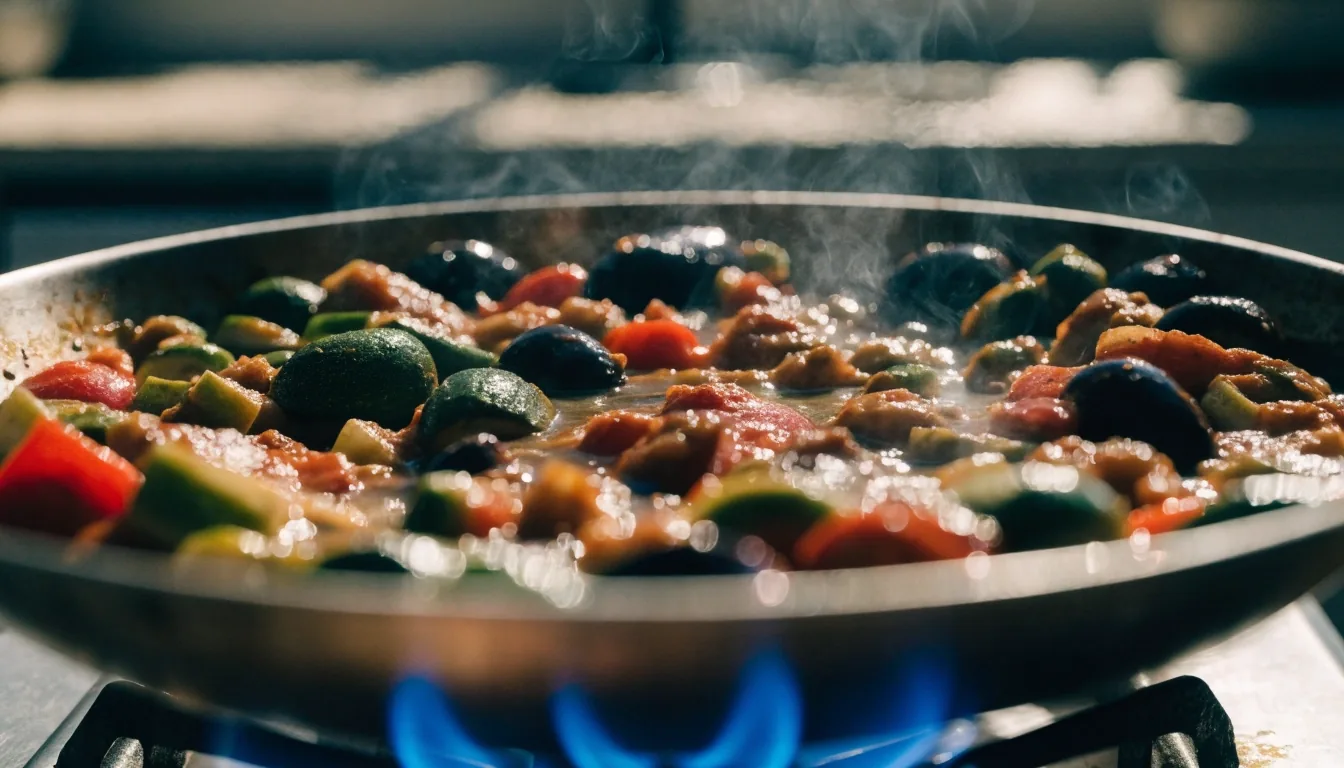
A wide shallow pan of ratatouille over a gas flame, seen from a low angle
Dish Ratatouille
Built from Tomato, courgette, aubergine, pepper
Best season High summer
Method Separate, or all at once

Take these vegetables into the pan

Buying notes only get you as far as the bench. The cooking pages take the same vegetables through ratatouille, lentil salads, gratins and quick sautés, and note where a shortcut is honest and where it costs you the dish.

Editorial line A French kitchen guide, written as a reference bench
Based in Paris, France
What this page is Buying and cooking notes for eight vegetables

How these profiles were chosen

Nothing here was picked because it sounds impressive. A vegetable earns a profile if it is sold in ordinary French shops, survives a home kitchen without special equipment, and shows up in more than one kind of dish. That is why the list is short and why some familiar names are missing: a vegetable that only works in one expensive preparation is not useful advice for a weekday.

Where a profile leans on French habit — carrots and cucumber in household rankings, lentils in food guides, chou frisé in green-vegetable lists — the page says so rather than dressing it up. Where a vegetable is newer to French cooking, like kale and pak choi, the profile says that too. You can compare the profiles against the market notes and the seasonal calendar before you decide what to buy this week.

Questions readers send in

The four below come up most often, usually from someone standing in a shop wondering whether a vegetable is worth the trouble. Send a correction if one of these gets something wrong for the market you use.

Which of these vegetables are best for beginners?

Carrots and spinach. Both are forgiving, widely available, and cheap. Cucumber needs almost no technique at all, and pre-cooked beetroot needs none.

Are Lentilles du Puy difficult to cook?

No. They hold their shape well, which makes them more forgiving than many other pulses. Water or stock, a bay leaf, and a check at around twenty minutes is enough.

Is kale traditional in French cooking?

It appears in French green-vegetable lists as chou frisé, but it reads as a newer, trendier leafy green here. It is common in French produce aisles now, though not a traditional staple.

What is the difference between pak choi and other leafy greens?

Pak choi has a firm stem and a tender leaf, so the two parts cook at different speeds. Searing the stem first and adding the leaves late keeps both in good shape.

Where to go next

Profiles tell you what a vegetable is. The calendar tells you when to buy it, and the market pages tell you what to look at once you are standing in front of it. If something on this page reads wrong for the market you shop in, write to us and we will look at it.

Vegetable Table France · 18 Rue de la Verrerie, 75004 Paris, France · +33 1 42 83 68 93 · [email protected] · Monday to Friday, 9:00 AM – 6:00 PM