Vegetable Table France
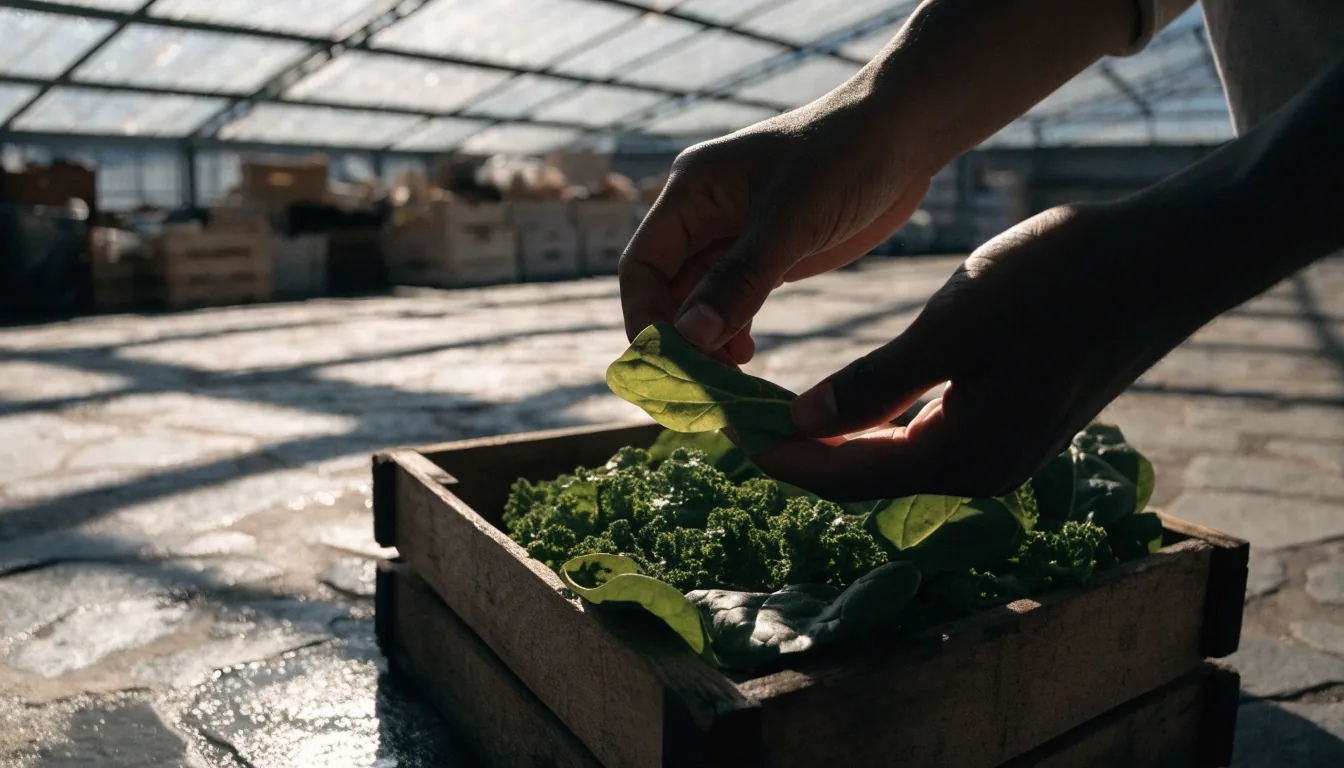
Hands rinsing a bunch of dark leafy greens on a marble counter under noon glasshouse light
About this guide

About our French vegetable guide

An editorial resource about the vegetables that matter in everyday French cooking — what to buy, when to buy it, and what to do with it.

Guide Vegetable Table France
Written from Paris
Scope Eight core vegetables
In the kitchen Buying, storage, cooking
Who writes this

A guide to the produce, not a recipe archive

Vegetable Table France is an editorial resource about the vegetables that matter in everyday French cooking. We write for people living in France or cooking French food elsewhere, and we focus on practical questions: what to buy, when to buy it, and what to do with it. The site is not a recipe archive and not a nutrition publication. The work here is closer to a market notebook that has been organised, edited, and checked.

The recommendations come from the produce itself. A carrot bought in Rouen in November behaves differently from a carrot bought in the same city in June; a bunch of spinach from a covered market stall keeps longer than one that has been sitting on a supermarket shelf since morning. Over time those small differences are the ones that decide whether a weeknight dinner works. That is the layer of cooking the guide is built to explain.

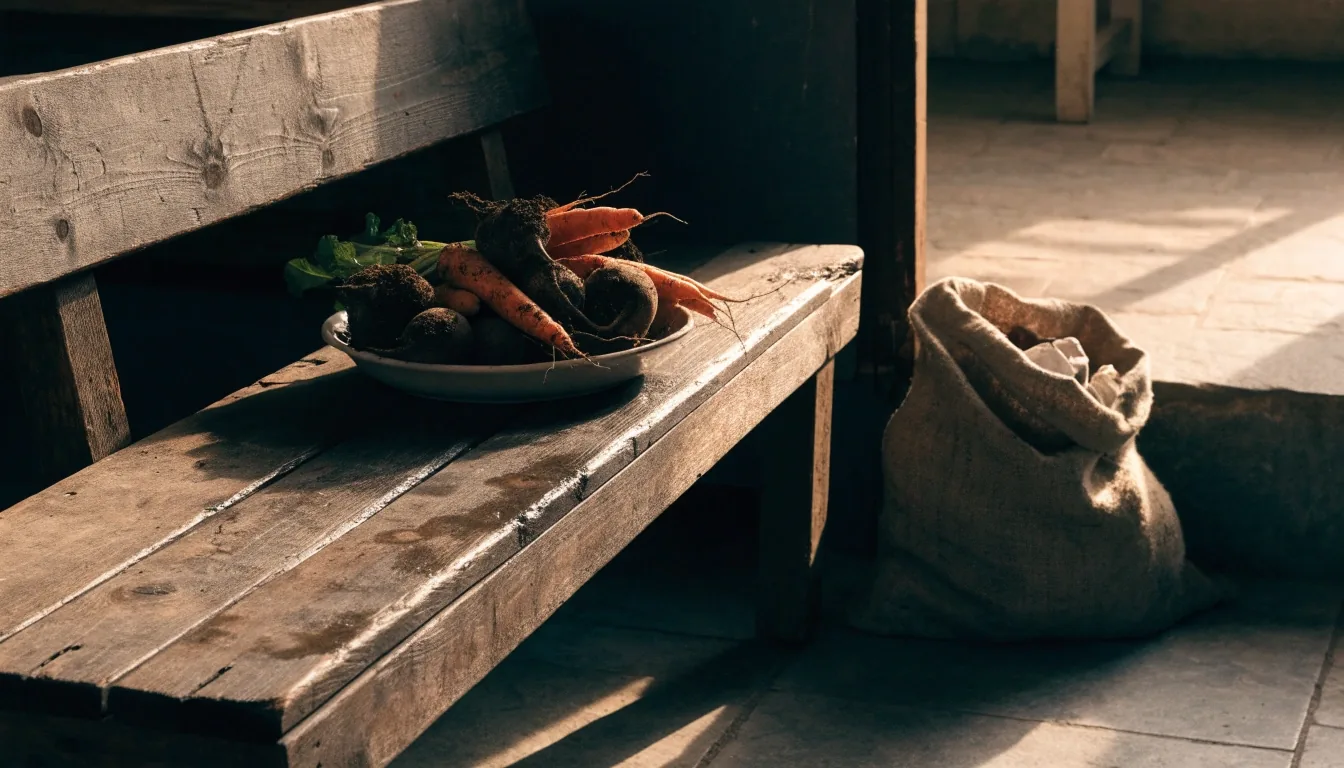
A wooden crate of root vegetables on a stone floor beneath a beam of noon light
Where the decisions happen

Why we started with vegetables

Most cooking guidance starts with dishes. We started with vegetables because that is where the decisions happen: at the market stall, in the supermarket aisle, and in front of the fridge on a weeknight. Those decisions are about timing, quality, and storage before they are about technique. If you buy well and store properly, the cooking is usually the easy part. This site is organised around that idea.

It also means the guide is opinionated about quantities. Half a kilo of good tomatoes in August is a different ingredient from half a kilo bought in February, and a French market stall will tell you so in plain language. We try to keep that same plainness in how we write.

What we cover

Eight vegetables form the core: carrots, cucumber, spinach, beetroot, Lentilles du Puy, kale, pak choi, and ratatouille as the dish built around several of them. That is a deliberate limit. There are hundreds of vegetables worth cooking, but these are the ones that show up most often in French homes and markets, and covering them properly takes space. Each profile covers buying, preparing, and serving.

Browse vegetable profiles
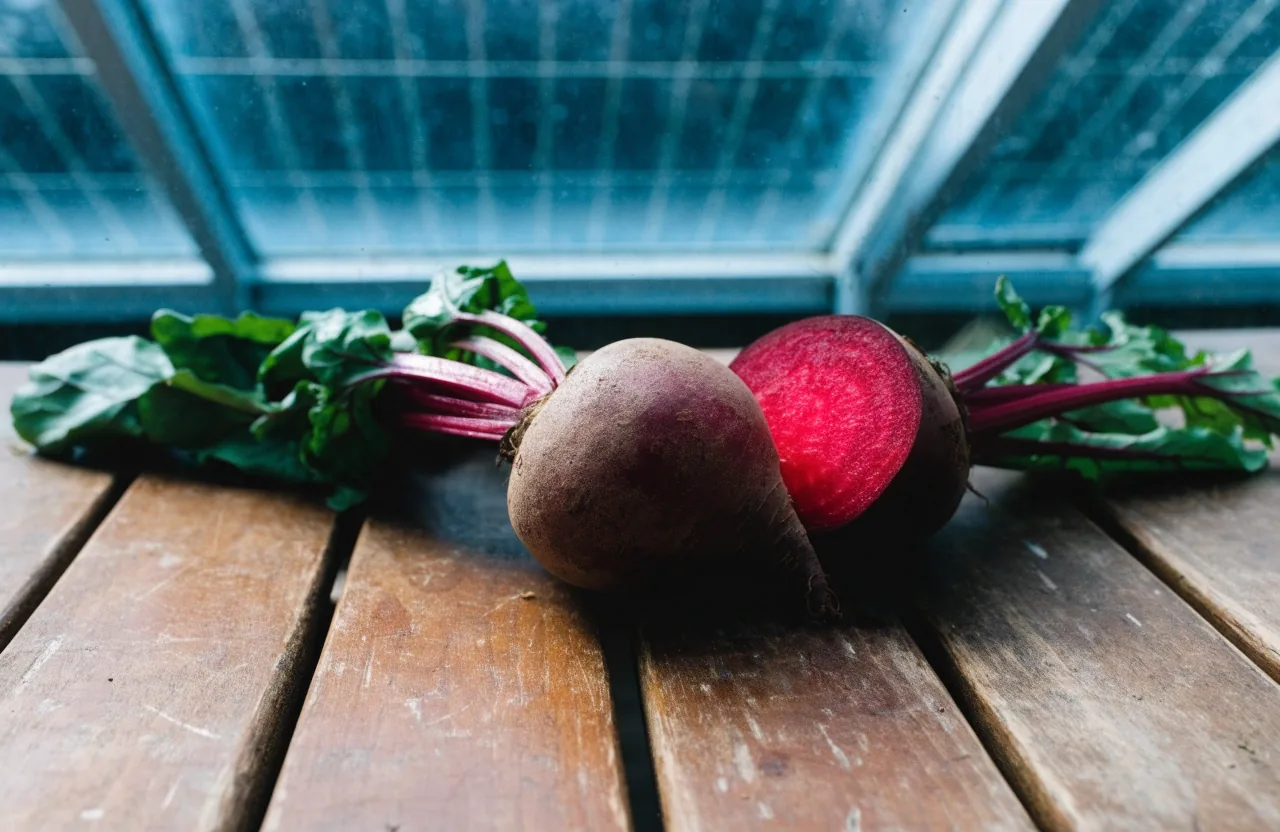
A single beetroot with its green leaves still attached on a white surface

Beetroot and its greens

Bought with the leaves still on, beetroot gives two ingredients in one bunch. We cover how to judge the root at the market, how long the greens will hold once you separate them, and why roasting wrapped in foil changes the texture more than roasting open does.

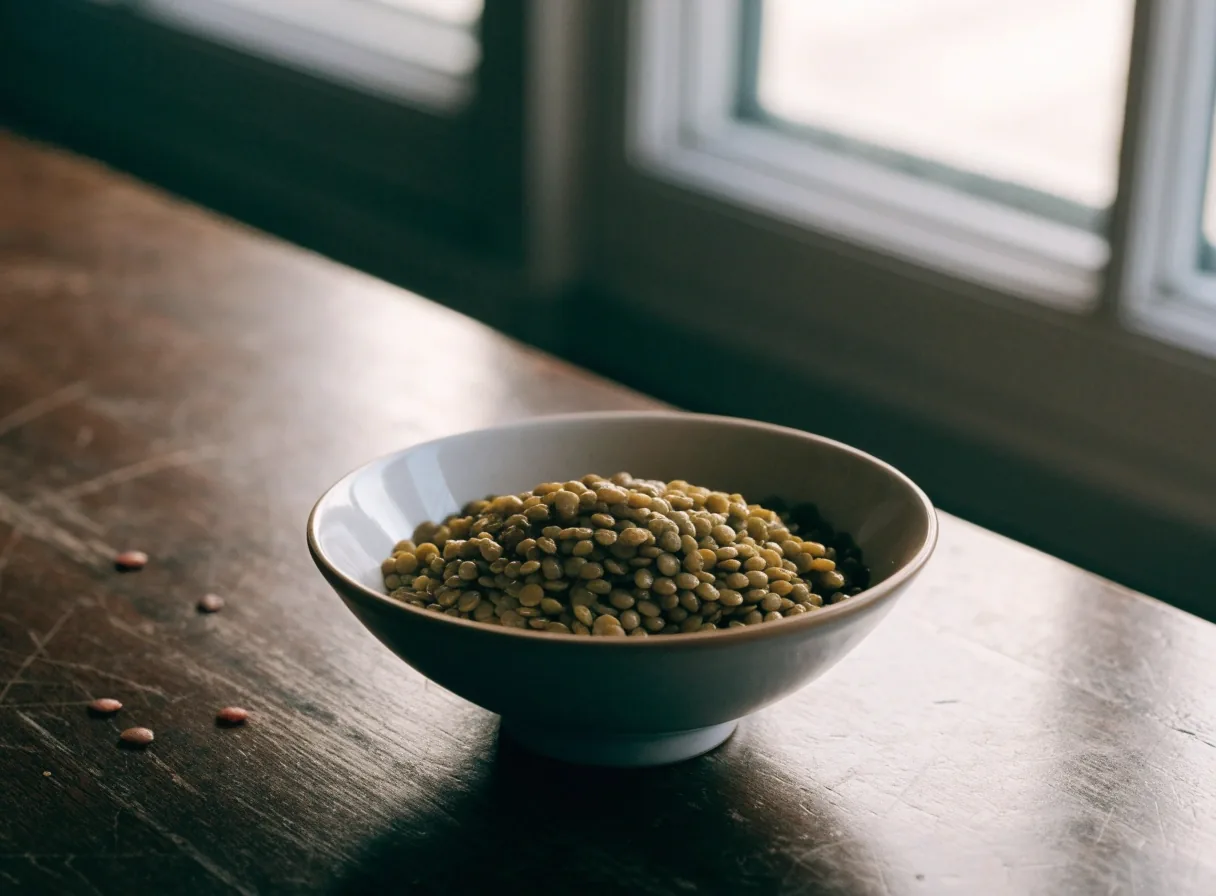
A small white dish of green lentils on a white counter

Lentilles du Puy

The one dry vegetable in the core set. We explain why the small slate-green lentils from the Puy region hold their shape in a salad, and what changes when you cook them in salted water rather than plain.

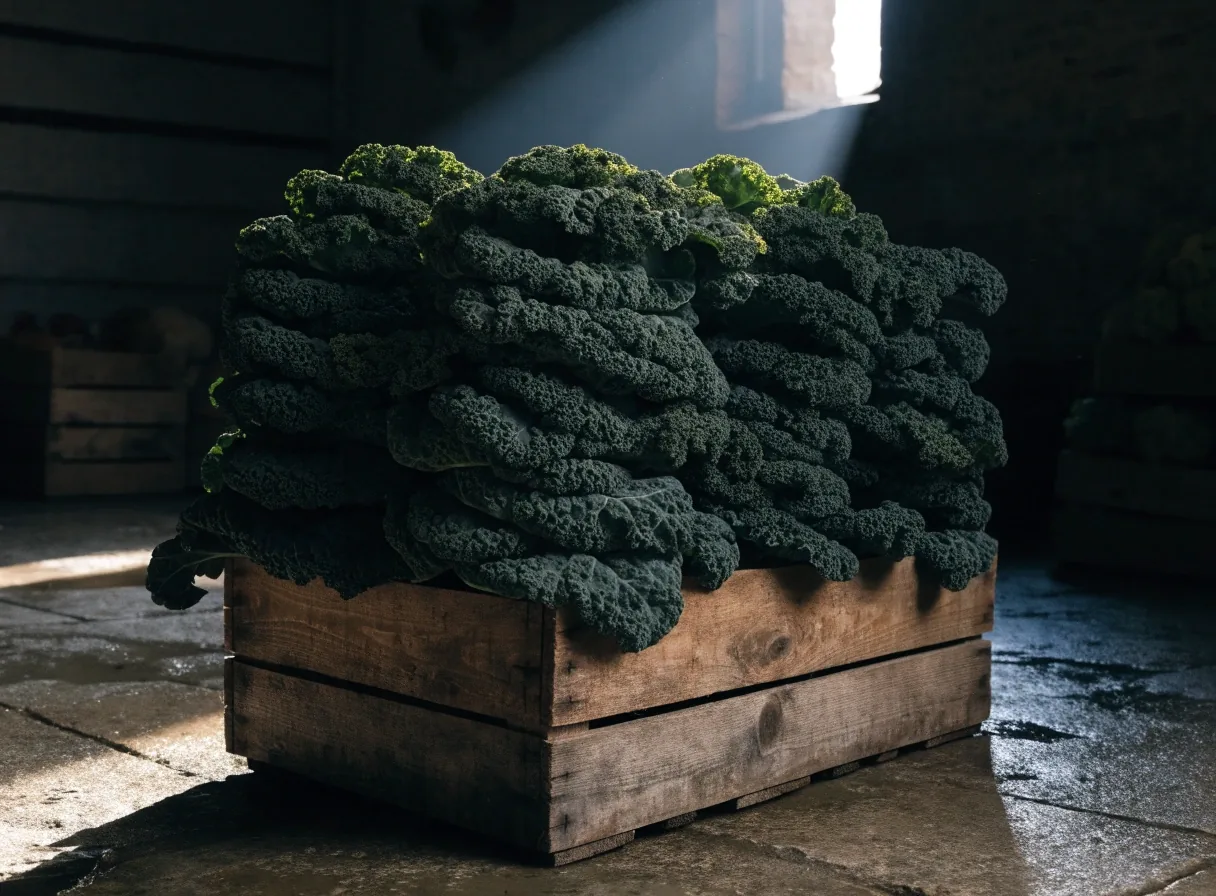
A bunch of dark curly kale on a white surface

Kale and spinach

Two leafy greens with very different cooking windows. We note how each is sold in France, how to store them past a couple of days, and the point at which their texture changes in the pan.

Carrot, cucumber, and pak choi round out the set. Carrot and cucumber are covered mostly for buying and storage — the differences between sizes and how they behave in a raw salad matter more than any single cooking method. Pak choi is a shorter profile for the same reason: it is a green that French market stalls increasingly carry, and it cooks quickly enough to change a weeknight. Ratatouille gets its own page because it is the one dish where several of the core vegetables meet at once, and the order in which you add them decides the result.

How the content is researched

We work from French produce lists, market conventions, and the practical realities of French retail, including what is sold fresh, frozen, and pre-cooked. Where a claim depends on a specific figure, we state the figure and its year rather than generalising. We do not publish invented statistics, unnamed studies, or claims that we cannot point to. If something is our opinion, it reads as an opinion.

Most of the research happens in the places the guide describes. That means a morning at a market watching what is carried forward to the front of a stall, a supermarket aisle checking whether the same vegetable is sold at three different points of ripeness, and kitchen notes made after cooking the same vegetable across several weeks. Regional variation is the part that resists shortcuts: the south of France and the north do not run on the same calendar, even for something as ordinary as spinach.

Where a piece of guidance depends on a seasonal boundary, we say which part of the country we are describing. Where a figure comes from an official French source, we name the source and the year. And when a reader writes in with something that contradicts our note — usually about timing — we check it against the same sources and update the page or leave the original note with the disagreement acknowledged.
What we check before publishing
  • Is the seasonal note true for the region stated?
  • Is the named figure traceable to a source and year?
  • Is the preparation advice about texture and flavour, not about the person eating it?
  • Could a reader shopping in a small market act on this?
Sources we draw on

French seasonal produce references and market practice; the way vegetables are actually sold across fresh, frozen and pre-cooked aisles; and our own repeated cooking notes kept as the profiles are written and revised.

Position on claims No promises, no health language
What we describe How a method changes texture and flavour
Sponsored rankings None — no paid placements
Corrections Welcome — write to the editors

Editorial standards

We keep a clear line between guidance and claims we cannot support. You will not find guaranteed outcomes or absolute promises on this site, and you will not find health claims attached to vegetables. Vegetables are food, and this is a cooking resource. Where we describe a method, we describe what it does to texture and flavour, not what it does to you.

The same standard shapes the profiles. A page on kale will tell you how the leaf behaves when you blanch it for one minute and when you cook it for eight, and which is better for a salade composée. It will not tell you what eating kale will do for your body, because that is not a claim cooking writing can make, and it is not the kind of statement this guide belongs to.

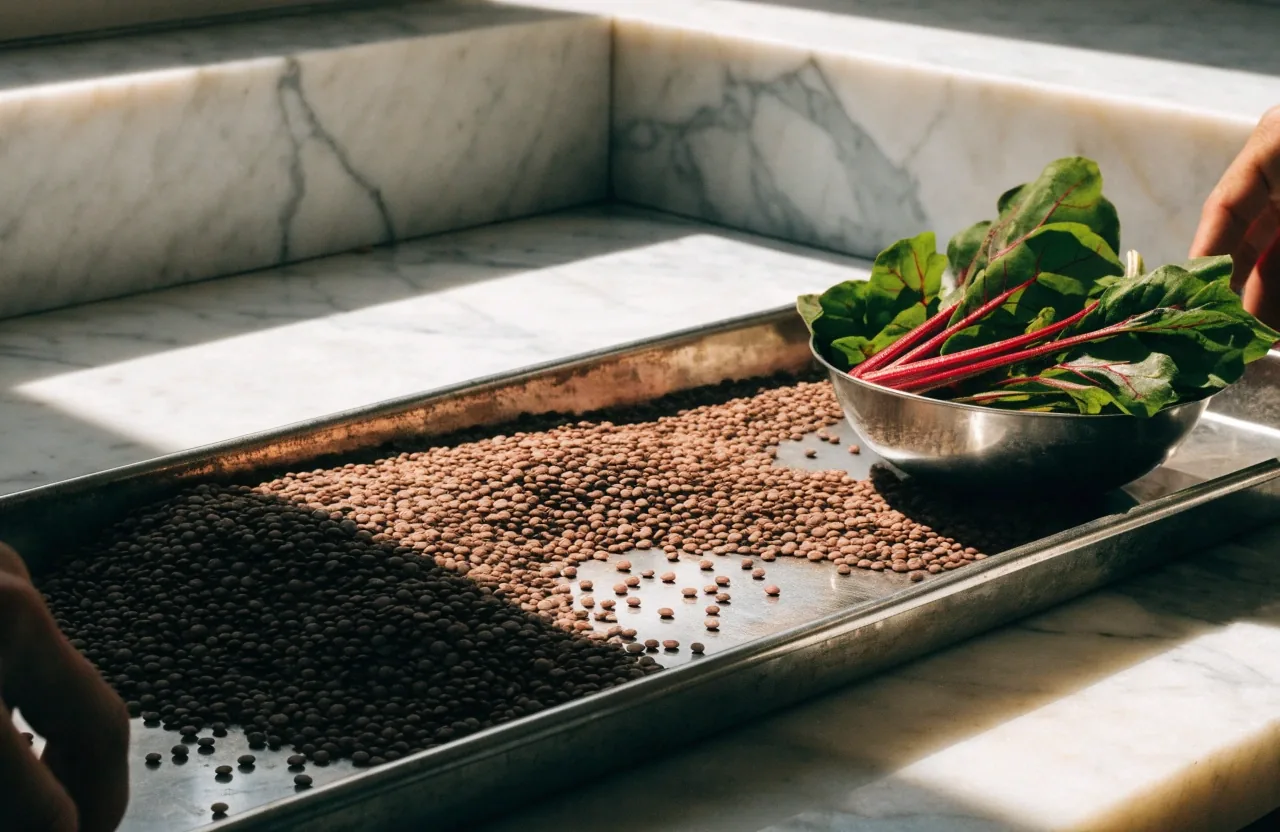
Hands sorting lentils on a metal tray on a marble counter
Standing rule Food, not claims
Figures Named with source and year
Opinion Reads as opinion
Adverts No sponsored placements

Corrections and reader input

Readers correct us regularly, and we prefer that to being quietly wrong. Regional differences in French seasonality are a common source of corrections: what is in season in one part of the country may not be in another, and local knowledge is better than a general calendar. If you spot something inaccurate, tell us and we will look at it.

When we make a change, the note goes back into the page it belongs to. A corrected season line in the calendar is more useful than an apology. If the disagreement is real and unresolved — say a reader in the south insists on an earlier start for a particular vegetable — we leave the disagreement visible rather than smoothing it over.

Write to the editors

Corrections, questions, and regional notes all reach the same place.

Contact the editors

What helps most
  • Which page you were reading
  • The region your note applies to
  • Whether it was a season note, a buying note, or something else

What we do not do

We do not sell vegetables, we do not run a shop, and we do not publish sponsored rankings of products. There is no affiliate arrangement behind the vegetables featured on the site. Our recommended purchases are based on what is widely available and worth buying, nothing else.

That means the guide has no incentive to push one stall, brand, or variety over another. If a vegetable is hard to find outside a particular region, we say so; if it is worth a longer walk to a market, we say that too. The advice is meant to survive an ordinary Saturday, not an ideal one.

Language and audience

The site is written in English for an audience that may be reading French labels, market signs, and recipes. That is why French terms appear alongside English throughout, including légumes de saison, crudités, salade composée, poêlée de légumes, and légumes secs. If you are learning to cook in France, the vocabulary is part of the practical skill.

Readers arrive from very different starting points: people who have just moved to a French city and are decoding a market stall for the first time, and readers outside the country cooking French food from a translated cookbook. The two audiences need the same thing from us — plain English, French terms that match what is actually printed on the stall, and an honest note when a straightforward answer is not available.

Questions we get

The short answers to the things readers ask most often. If your question is not here, the editors read every message sent to the contact page.

Who writes the vegetable guidance on this site?

The guide is written and reviewed by the editorial team at Vegetable Table France, working from French produce references, market practice, and repeated cooking notes. We do not name individual writers on the profiles, because the standards matter more than the byline — but every page passes the same editorial check before it is published.

Why only eight core vegetables?

Because covering a vegetable properly — buying, storage, preparation, cooking — takes space, and a profile that covers only one of those is not much use at the market. The eight were chosen as the ones that show up most often in French homes and markets. Ratatouille is the one dish in the set because it is where several of them meet.

Where do the figures and season notes come from?

French produce lists, market conventions, and what is actually sold across fresh, frozen, and pre-cooked aisles. Where a figure matters, we name the source and the year. Season notes are stated for a specific region, and where the south and the north disagree, we say so rather than averaging them into one calendar.

Does the site sell vegetables or take paid placements?

No. There is no shop, no affiliated purchase, and no sponsored ranking of products. Recommendations are based on what is widely available and worth buying in a normal French market or supermarket, and nothing else shapes them.

I cook French food outside France — is the guide still useful?

Yes, with one adjustment. The buying chapter assumes a French market or supermarket, so the storage and preparation notes are the parts that travel best. The seasonal calendar runs on French timing; if you are cooking in a different climate, treat it as a guide to when a vegetable is at its best rather than a strict month-by-month timetable.

Continue

Start with the season, or with the vegetable in front of you

If you are planning a shop, the seasonal calendar is the right place to begin. If you already know what you have, the profiles and the cooking page will tell you how to get the most from it. Questions and corrections go to the editors through the contact page.